
Current location: Home > NEWS > Industry news
NEWS
PRODUCTS

The fatality rate is above 40%! Is the mortality rate higher for cancer patients if they are infected with the Nipah virus?
News source: Release time:[2026-01-29]
Recently, the Nipah virus epidemic in India has attracted widespread attention. Especially, the statement “the mortality rate of infected people is 40% to 70%” sounds terrifying and makes many people panic.
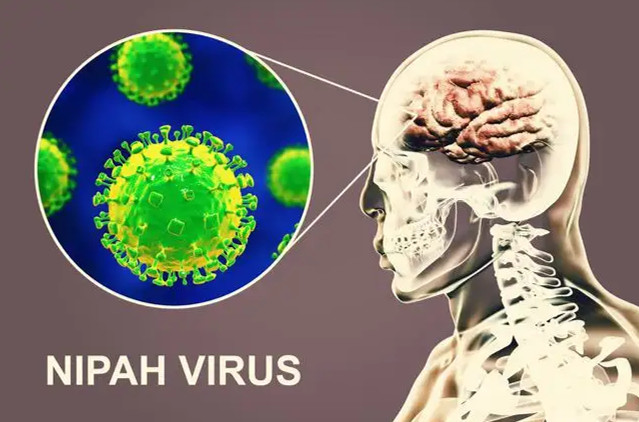
So, what kind of disease is Nipah virus?
Nipah virus infection is zoonotic and can spread from person to person. The average incubation period of the Nipah virus is 5 to 14 days. Symptoms include high fever and headache, which last for 3 to 14 days, followed by drowsiness, dizziness, and delirium. The Nipah virus can cause encephalitis and seizures, and in severe cases, patients may fall into a coma within 24 to 48 hours. The World Health Organization pointed out that there is currently no approved vaccine or specific antiviral drugs for the Nipah virus, and only antiviral drugs can be used for symptomatic treatment.
Is the mortality rate higher for cancer patients if they are infected with the Nipah virus?
This is a very serious and complex medical problem. When tumor patients are infected with the Nipah virus, their disease progression and prognosis are usually more perilous and have a higher mortality rate than those of healthy people. This is mainly due to the double blow of the patient's own immune system status and the characteristics of viral infection.
The following is an analysis of possible situations and mechanisms:
1. Core mechanism: “Two - front combat” and impaired function of the immune system
Basic immunosuppression
The tumor itself (especially hematological tumors such as leukemia and lymphoma) and many anti - tumor treatments (such as chemotherapy, radiotherapy, high - dose glucocorticoids, targeted drugs, and immunosuppressants) will significantly weaken the patient's cellular immunity and humoral immune function.
Insufficient immune response
In the face of the Nipah virus, a highly pathogenic pathogen, a weak immune system may not be able to produce fast and effective specific antibodies and T - cell responses, causing the virus to replicate uncontrollably in large quantities in the body.
Inflammatory storm risk
In the later stages of infection, some patients may experience abnormal and excessive immune responses (cytokine storms), leading to systemic inflammation and further damage to important organs such as the lungs, heart, and brain. Patients with tumors have immune system disorders, and the risk and severity of such storms may be higher.
2. Clinical manifestations: more severe symptoms, faster progression, and more complications
Nipah virus infection itself can cause severe encephalitis and respiratory symptoms. In cancer patients, these conditions usually worsen:
Nervous system symptoms are more prominent
The virus can more easily cross the blood - brain barrier and cause severe encephalitis, manifested as severe headache, confusion, convulsions, and coma. The risk of cerebral edema and intracranial hypertension is extremely high.
Respiratory failure is more rapid
Acute respiratory distress syndrome (ARDS) is a common cause of death from Nipah virus infection. Patients with tumors, especially those with lung metastases or previous poor lung function, may develop intractable respiratory failure more quickly and require mechanical ventilation.
Multi - organ failure
Viremia and the inflammatory response can lead to simultaneous or sequential failure of multiple organs such as the heart, liver, and kidney. Patients with tumors tend to have worse organ function reserves and low tolerance.
Increased risk of secondary infection
Under the impact of the Nipah virus, the already fragile immune defense line completely collapses, and other fatal opportunistic infections such as bacteria and fungi (such as sepsis and invasive fungal infections) are extremely prone to occur as complications, making treatment even more difficult.
3. Treatment and prognosis: extremely difficult, extremely high mortality rate
Treatment contradictions
Treatment needs to balance antivirals, control inflammation, and support organ function. However, the use of large doses of hormones or immunomodulators to control the inflammatory storm may further inhibit antiviral immunity and may lead to potential tumor progression.
Support treatment challenges
The patient's nutritional status and bone marrow reserves (blood cell count) may be very poor, and it is difficult to withstand the consumption of intensive care (such as the risk of infection caused by tracheal intubation and deep vein intubation, and the burden of drugs on the liver and kidney).
Limitations of antiviral drugs
At present, there is no antiviral drug for the Nipah virus that has been confirmed by large - scale clinical trials. Some experimental drugs (such as monoclonal antibodies, remdesivir, etc.) may be tried, but the efficacy and safety data in immunodeficient patients are very limited.
The prognosis is extremely poor
Taking into account the above factors, the overall mortality rate of tumor patients infected with the Nipah virus is expected to be much higher than that of the general population at 40% - 75% (this data is the estimated mortality rate of the general population infected with the Nipah virus). Survivors may also have serious nervous system sequelae.
4. The impact of tumor treatment
Tumor treatment (chemotherapy, radiotherapy, immunotherapy, etc.) must usually be suspended immediately to concentrate all resources on dealing with acute, life - threatening viral infections. This will inevitably lead to the interruption of tumor treatment, which may cause tumor progression or recurrence.
5. Summary and key points
For cancer patients, Nipah virus infection is a “disastrous” complication characterized by:
Double whammy
Immunodeficiency + highly lethal viral infection caused by basic diseases (tumors and treatment).
Explosive condition
It requires the collaboration of a multi - disciplinary critical care team (Department of Critical Care Medicine, Department of Infection, Department of Neurology, Department of Oncology), but the means are limited and the prognosis is extremely poor.
Treatment is contradictory and complicated
In the later stages of infection, some patients may experience abnormal and excessive immune responses (cytokine storms), leading to systemic inflammation and further damage to important organs such as the lungs, heart, and brain. Patients with tumors have immune system disorders, and the risk and severity of such storms may be higher.
Prevention is essential
For cancer patients who are in or traveling to Nipah virus - prone areas (such as Bangladesh, India, and parts of Southeast Asia), strictly avoiding contact with virus hosts (fruit bats, contaminated food) and infected people is the only and most effective protective measure.
Important:
The above analysis is based on the general principles of virology, immunology, and critical care medicine. The specific case situation varies widely, depending on the tumor type, stage, treatment stage, age, basic health status, and other factors. Any suspected exposure or infection must immediately enter a professional infectious disease prevention, control, and treatment system.
 Company Name:
XIAMEN SPACEGEN CO.,LTD
 Address Of The Company:
NO.2041,XizhouRoad,Xike Town,
Tong'an District,Xiamen City,
Fujian Province, China
 Contact Information:+86-592-7578317
 Postal Code : 361100
 spacegen@ispacegen.com
 SKYPE
SKYPE