

 EN
EN


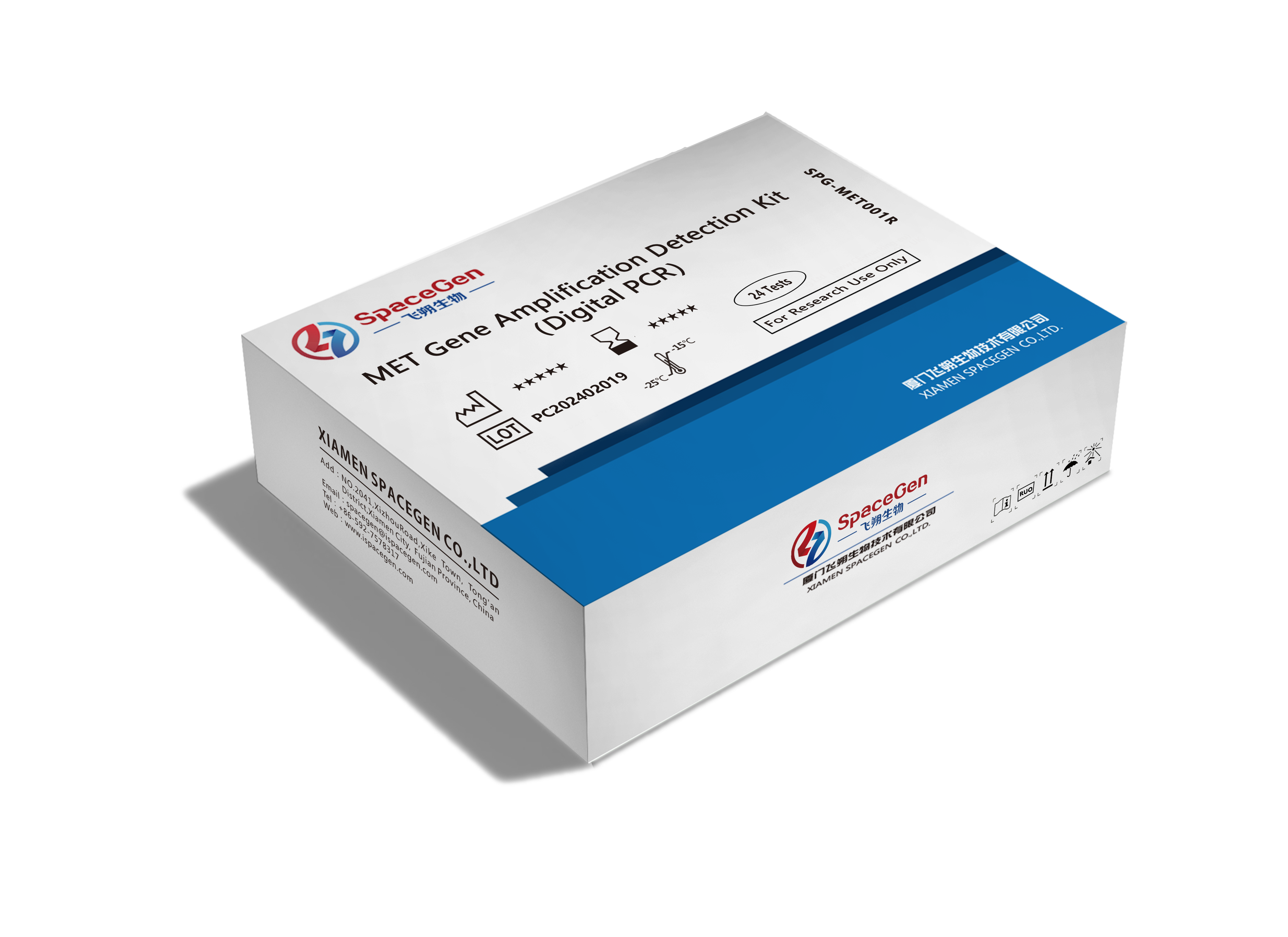

Patients with EGFR mutation in Non-Small Cell Lung Cancer (NSCLC) can get better therapeutic effect by using Epidermal Growth Factor Receptor (EGFR) Tyrosine Kinase Inhibitors(TKI). However, the use of EGFR-TKI such as gefitinib, erlotinib and osimertinib cannot avoid primary/acquired drug resistance, among which MET amplification is one of the causes of EGFR-TKI drug resistance, accounting for about 5% of the drug resistance reasons.
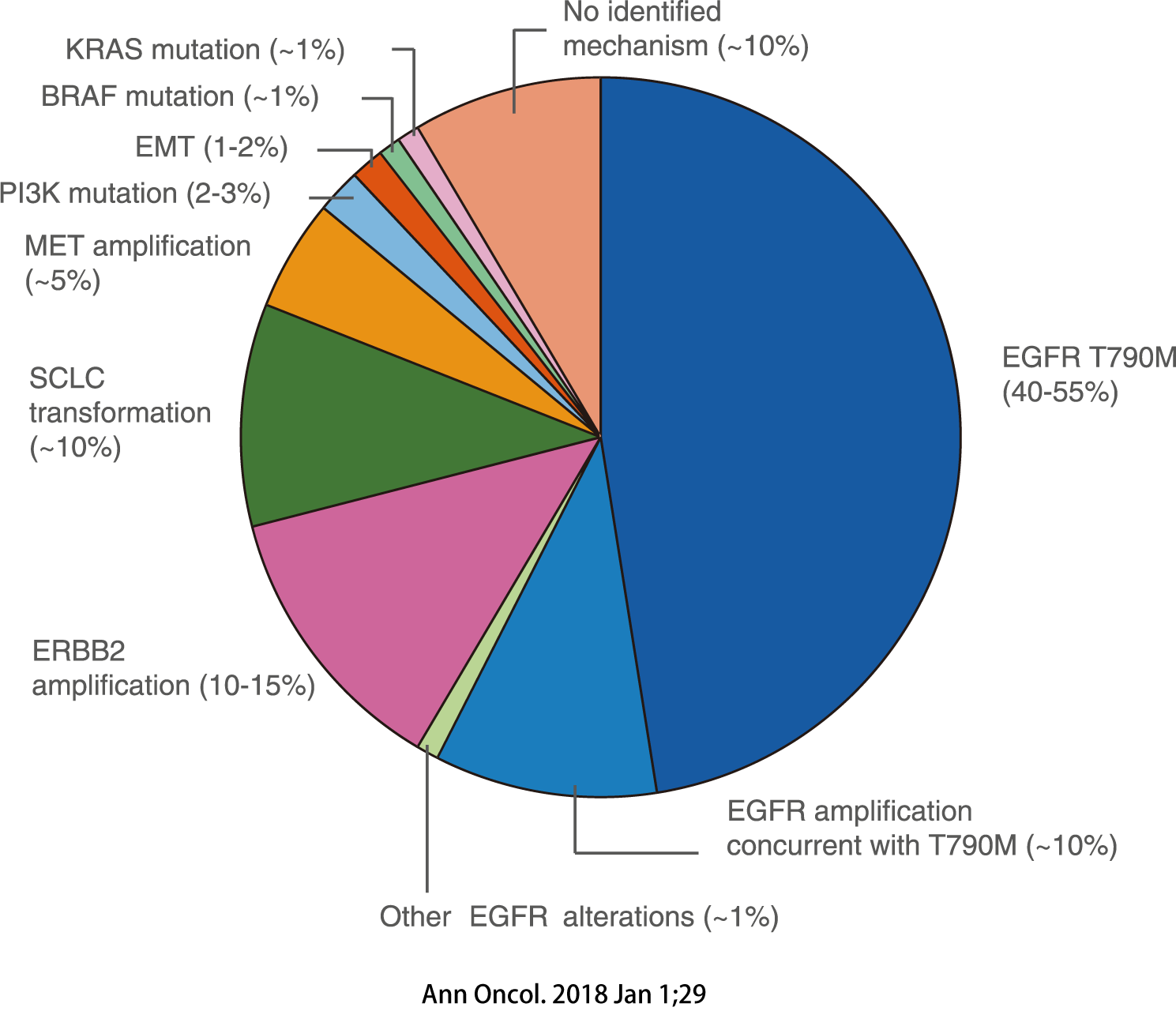
MET is a proto-oncogene and one of the driving genes of many cancers. MET amplification activates the specific pathways of PI3K and EGFR/ERBB family receptors by activating ERBB3 (HER3), and the final result is to promote cell transformation, cell invasion, cell proliferation and cell cycle progress. In addition, MET amplification will coexist with other carcinogenic drivers, such as EGFR, ALK and KRAS.
Before initiating treatment for NSCLC patients, detecting MET amplification helps match patients with appropriate targeted drugs based on genetic mutation information. This improves the specificity and effectiveness of treatment, ultimately achieving personalized therapy.

High sensitivity
DNA samples with mutation frequency as low as 0.1% can be detected.
Quantitative accuracy
Quantitative detection of gene mutation abundance, timely detection of disease progress, adjustment of treatment programs.
No need for internal standard
Reduce false negative results.
1.Nucleic acid extraction
2.Microdrop Preparation
3.Microdrop PCR
4.Data analysis
5.Report



 闽公网安备35021202000745