

 EN
EN


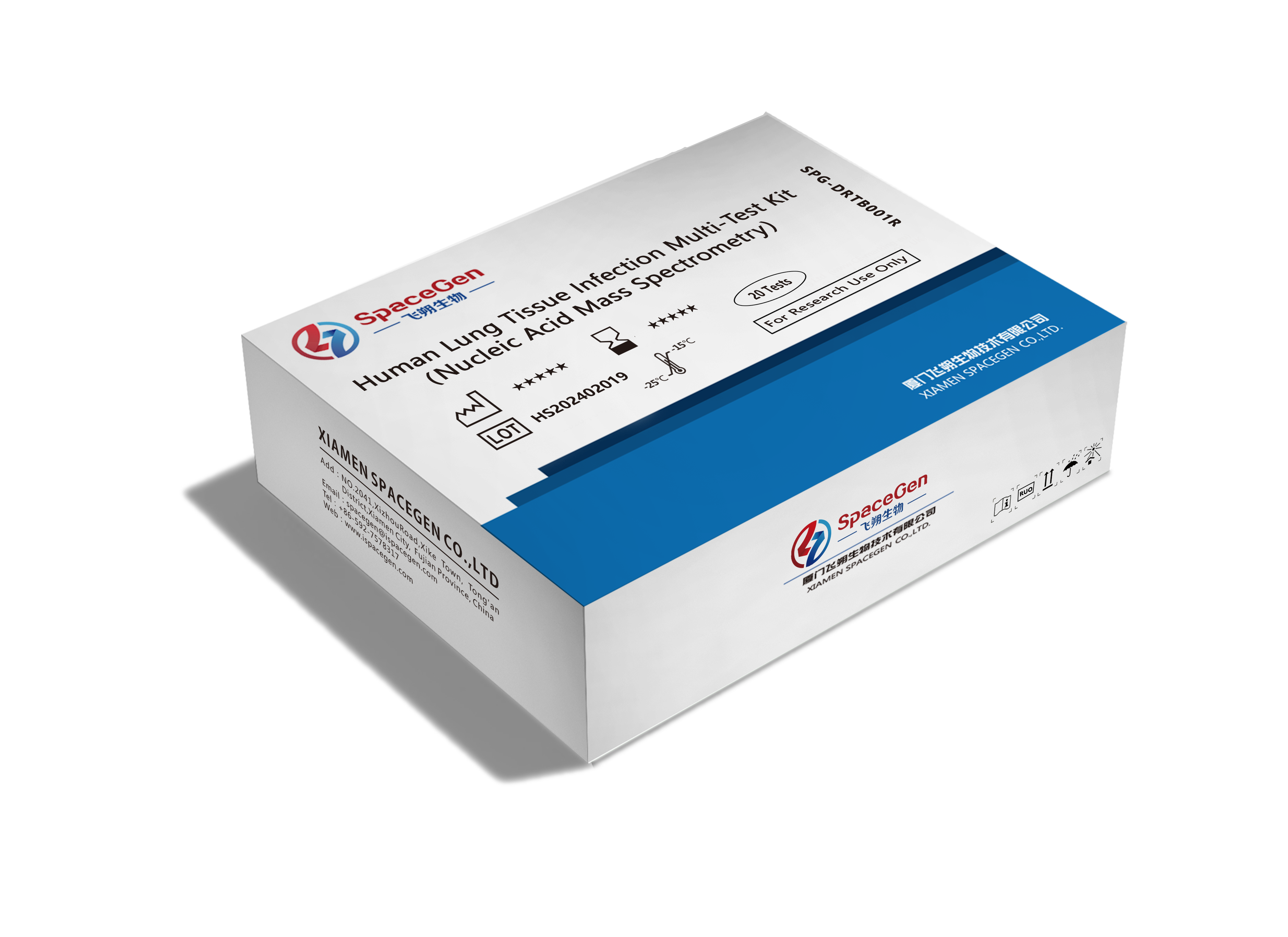

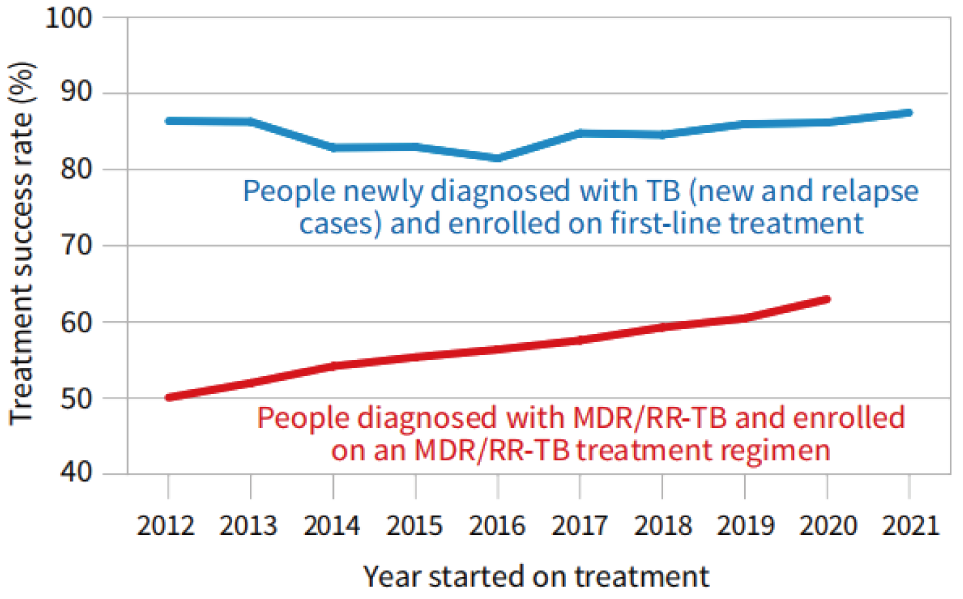
Tuberculosis (TB) and non-tuberculosis (NTB) caused by mycobacterium infection are serious infectious diseases that endanger human health. They are prevalent all over the world and are one of the key infectious diseases under global control. Because TB and non-TB symptoms are similar but treatment regimens are very different, most non-TB mycobacteria are naturally resistant to anti-TB drugs. In addition, mycobacterium tuberculosis with drug-resistant mutations can also become resistant to anti-TB drugs.
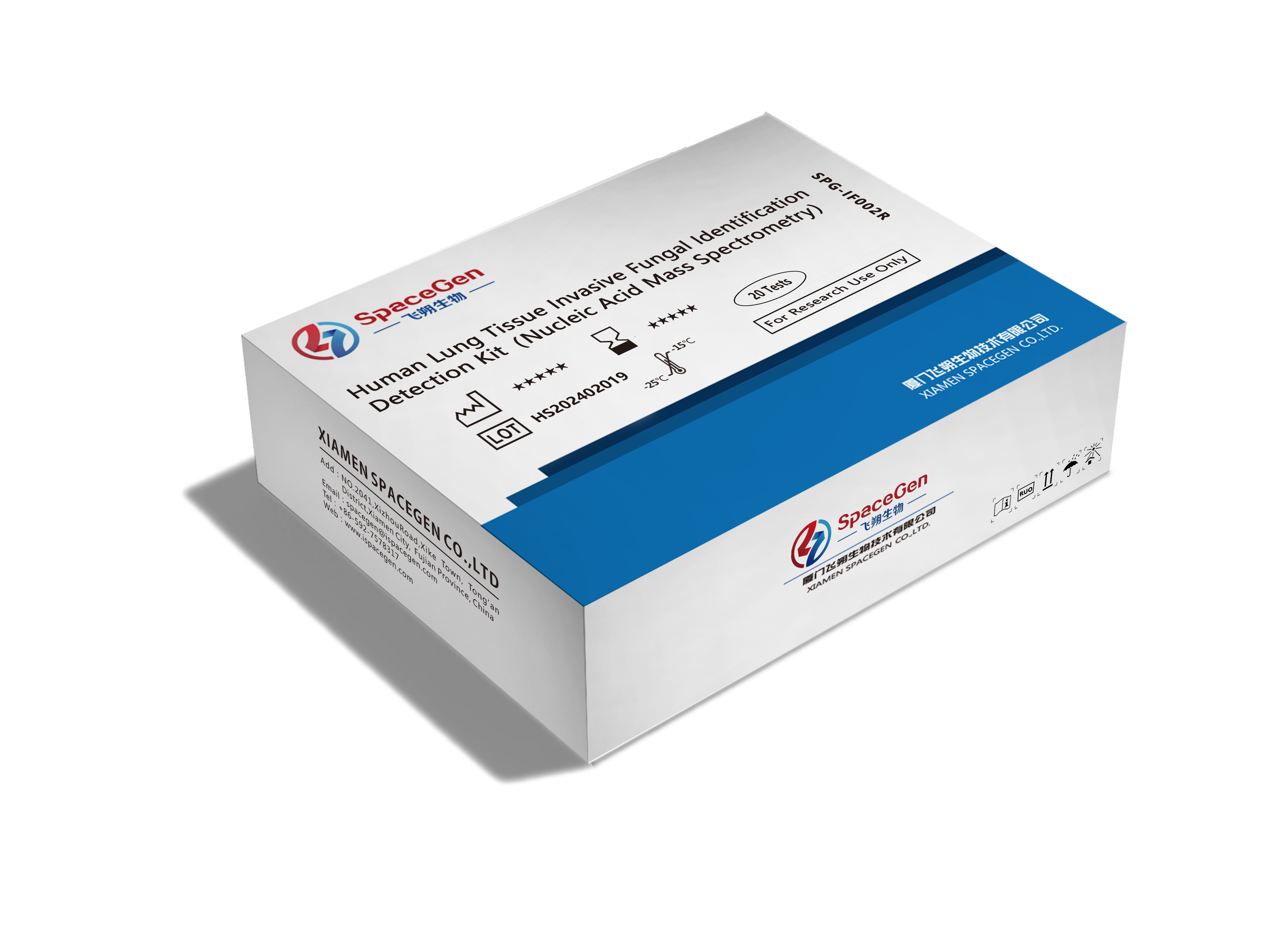
With the extensive development of hematopoietic stem cell transplantation and solid organ transplantation, the extensive use of immunosuppressants and chemotherapy drugs, and various catheter interventional therapy, the incidence of invasive pulmonary fungal infection has shown a gradual increasing trend. Clinical pulmonary fungal infection patients have no specific manifestations, early diagnosis is difficult, the disease is easy to be covered up by the primary disease, resulting in misdiagnosis, missed diagnosis and delayed treatment, resulting in high mortality.
Therefore, the identification of mycobacterium infection in lung tissue, the identification of invasive fungal infection, and the accurate detection of anti-tuberculosis drug resistance mutations are crucial for the diagnosis and treatment of the disease.
Matrix assisted laser desorption/ionization time of flight mass spectrometry (MALDI-TOF-MS) , the combined molecules are ionized with the help of the matrix, and the ions are accelerated through the flight pipe under the action of an electric field. Their mass and charge can affect their flight time, so the detection objects are accurately separated and identified according to the different flight times when they arrive at the detector.
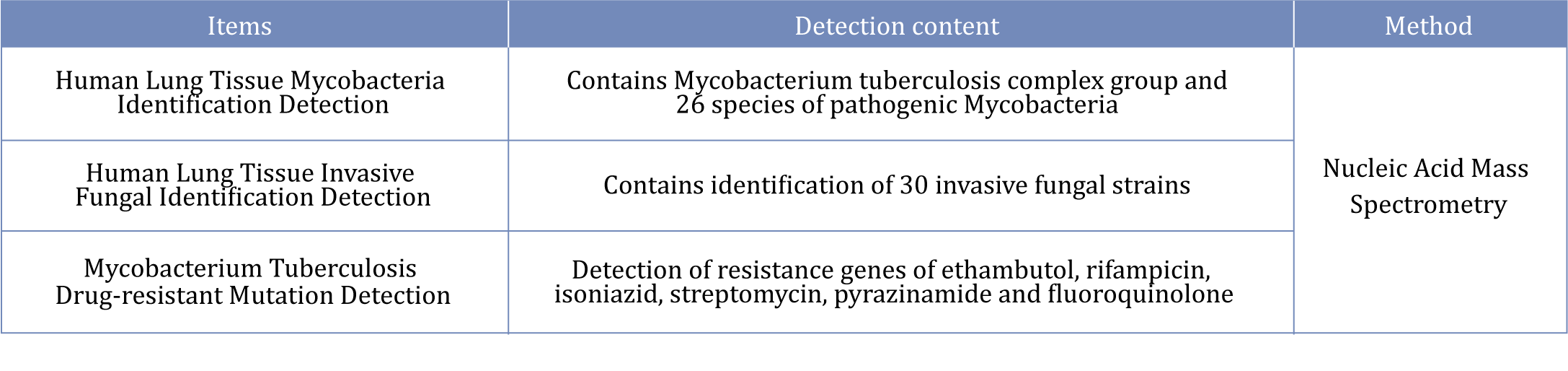
The common complex groups of mycobacterium tuberculosis, 26 pathogenic mycobacteria and 30 invasive fungi are accurately identified, the drug resistance of 6 common first and second-line anti-tuberculosis drugs are evaluated, and the pathogenic bacteria and drug sensitivity are identified to achieve individualized and precise treatment.

Advanced technology
Combined with PCR technology, the analysis of lung infection bacteria at the molecular level of nucleic acid, without in vitro culture and other processes, shorten the detection time, reduce manual operation, simple and fast, can obtain the test results within one day
Stable and reliable
Common lung microorganisms (Nocardia brasiliensis, Corynebacterium pekinensis, pneumococcus, Legionella pneumophila, Bordetella pertussis) will not affect the test results of the product, without crossover reaction
Good specificity
Can tolerate 100 ng wild type human genome DNA, nothing more specific
High sensitivity
Mycobacterium content as low as 200 copies in a 20 ng DNA sample can be detected
1.Nucleic acid extraction
2.Template loading
3.Mass spectrometry detection
4.Data analysis
5.Report generation




 闽公网安备35021202000745