

 EN
EN


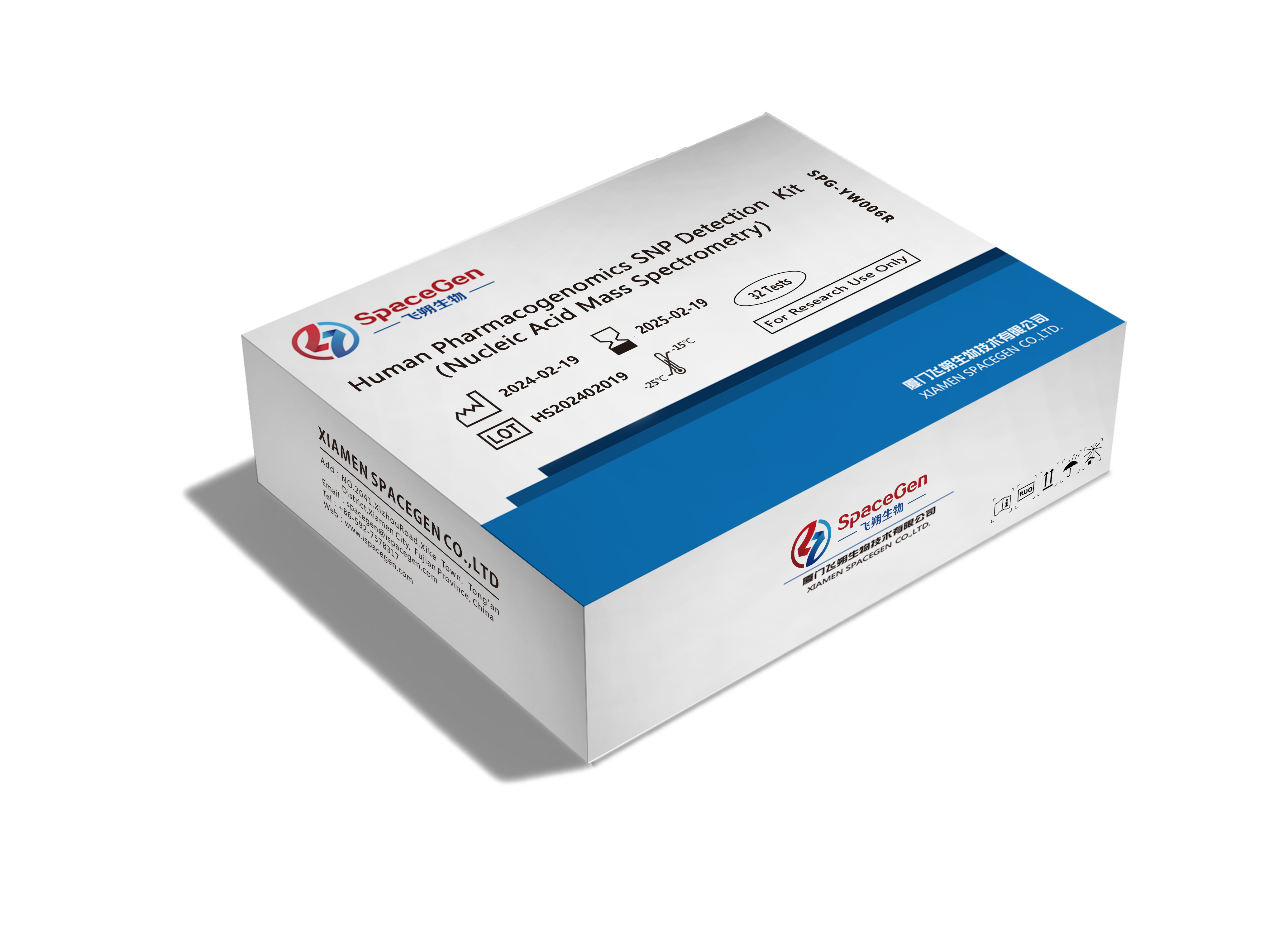

Pharmacogenomics aims to improve drug efficacy and safety. Based on individual genetic characteristics and different patient responses to drugs caused by gene variation, such as differences in drug metabolism enzymes and drug target genotypes, it can guide rational drug use, improve drug effectiveness, reduce adverse drug reactions, and reduce the total cost of drug development. Thereby improving the quality of disease treatment. The detection of 51 SNP loci covering 27 pharmacogenomics-related genes can guide patients with specific genotypes to select appropriate drugs and dosages to achieve personalized medication, thereby improving the effectiveness and safety of drug therapy and preventing the occurrence of serious adverse drug reactions.
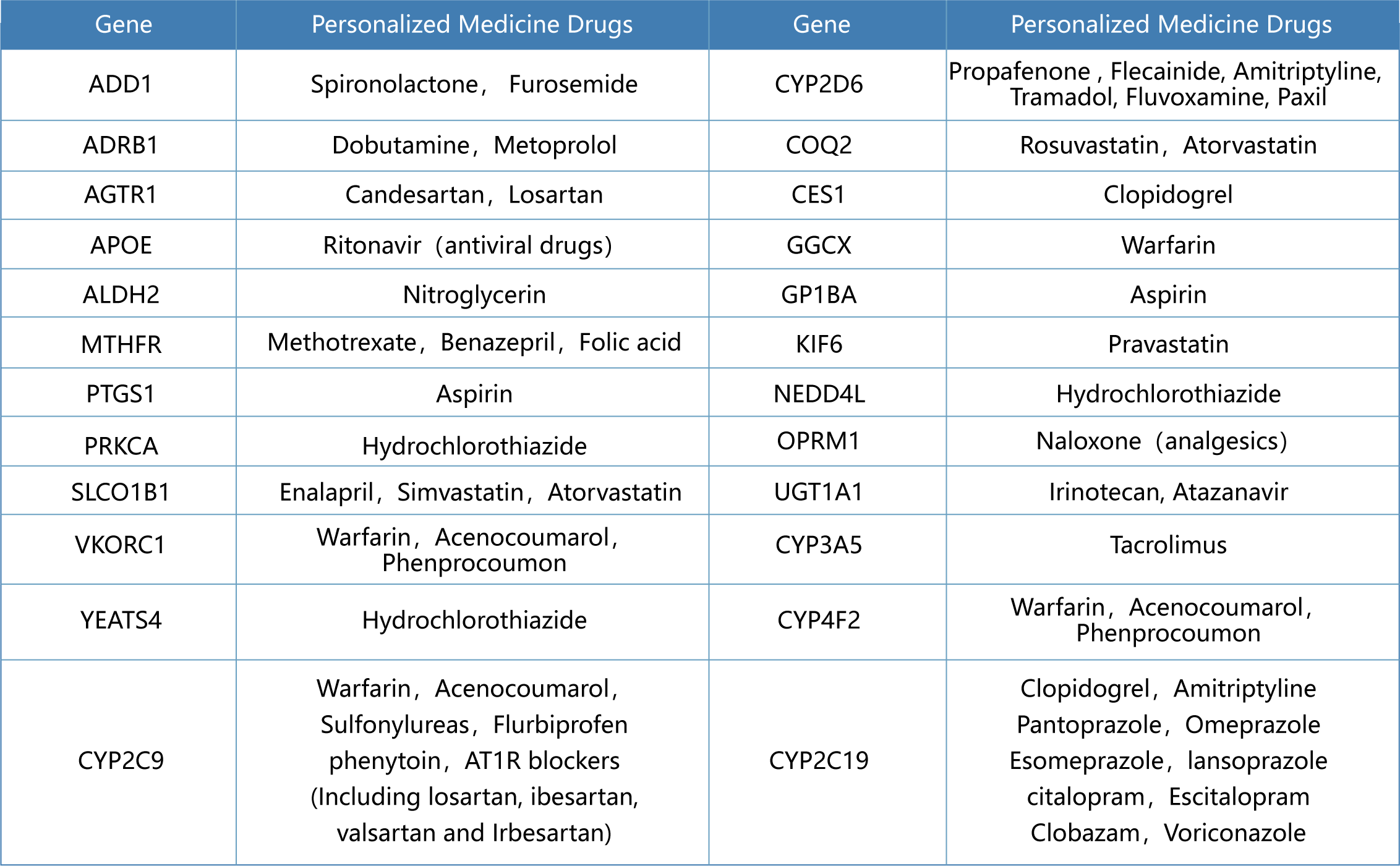
1.Guide clinical patients to select appropriate drugs and dosages for specific patients to achieve individualized drug use.
2.Improve the effectiveness and safety of drug treatment and prevent the occurrence of serious adverse drug reactions.
1. Long-term medication:Patients who require long-term or even lifelong treatment with certain medications (e.g., cardiovascular drugs, psychiatric drugs, digestive drugs, etc.)
2. Prior adverse drug reactions:People with a history of severe adverse drug reactions or family members who have had adverse drug reactions.
3. Combination of drugs: Patients receiving multiple medications at the same time.
4. Bad efficacy and replace drugs:The use of a drug has been unsatisfactory, the control of the disease is unstable patients.
5. special crowd:Children, the elderly and chronic patients.

Simple operation
Using DNA detection technology combined with PCR amplification and MassARRAY® mass spectrometry, highly multiple reactions can be achieved under common cycle conditions
Fast detection
Simple and clear bioinformation analysis and multiple detection of samples greatly reduce the total running time and simplify the data processing process, requiring only a small amount of manual operation time to obtain results within a day
Comprehensive detection
a one-time detection of 27 target genes, 51 sites, comprehensive guidance for clinical selection of appropriate drugs and dosages for specific patients, to achieve personalized drug use
1. Nucleic acid extraction
2. Template loading
3. Mass spectrometry detection
4. Data analysis
5. Report generation




 闽公网安备35021202000745