

 EN
EN


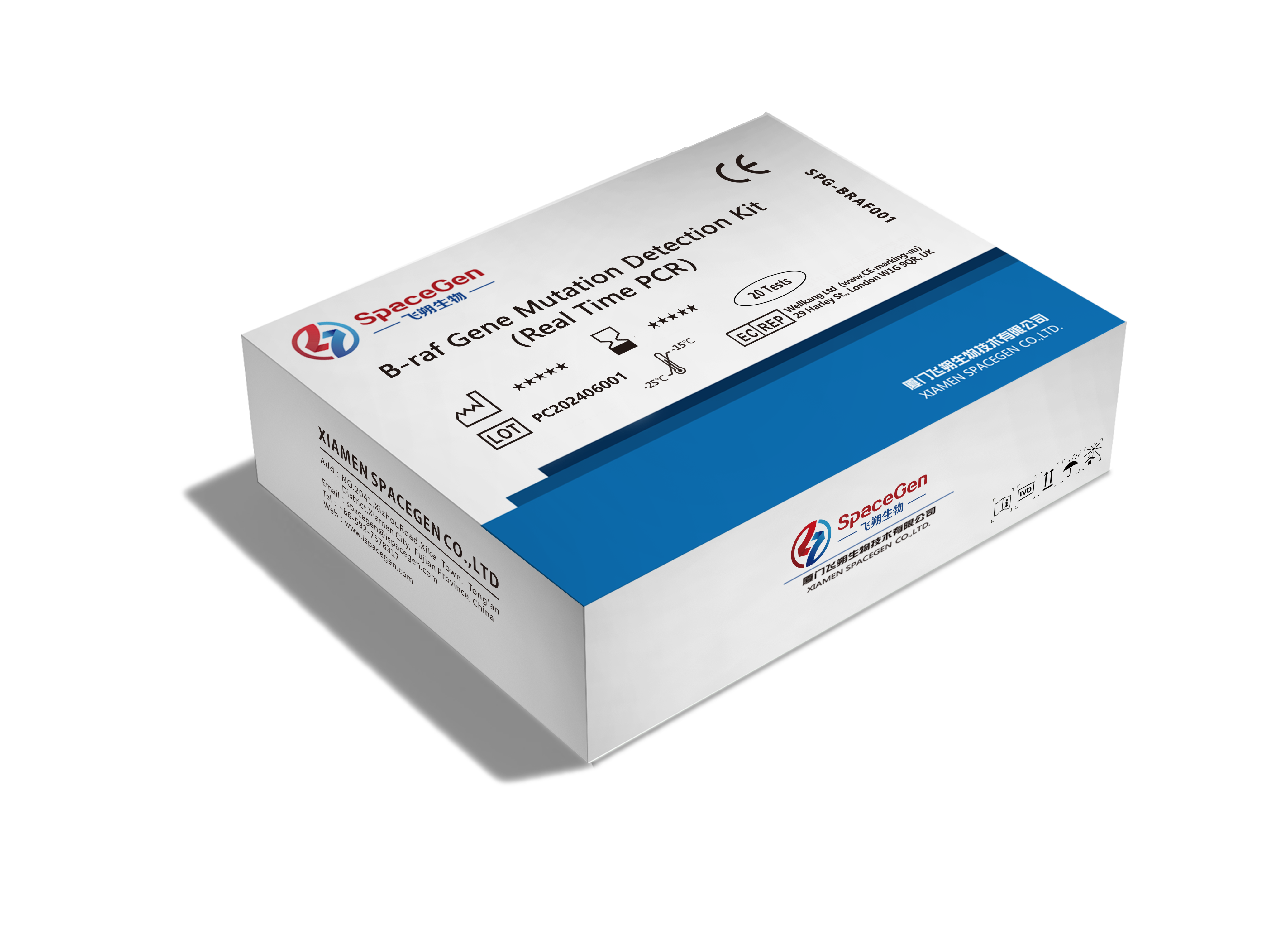

BRAF gene plays an important role in signal transduction involving cell proliferation, by regulating various kinds of cell physiological activities, such as growth, division , death etc.
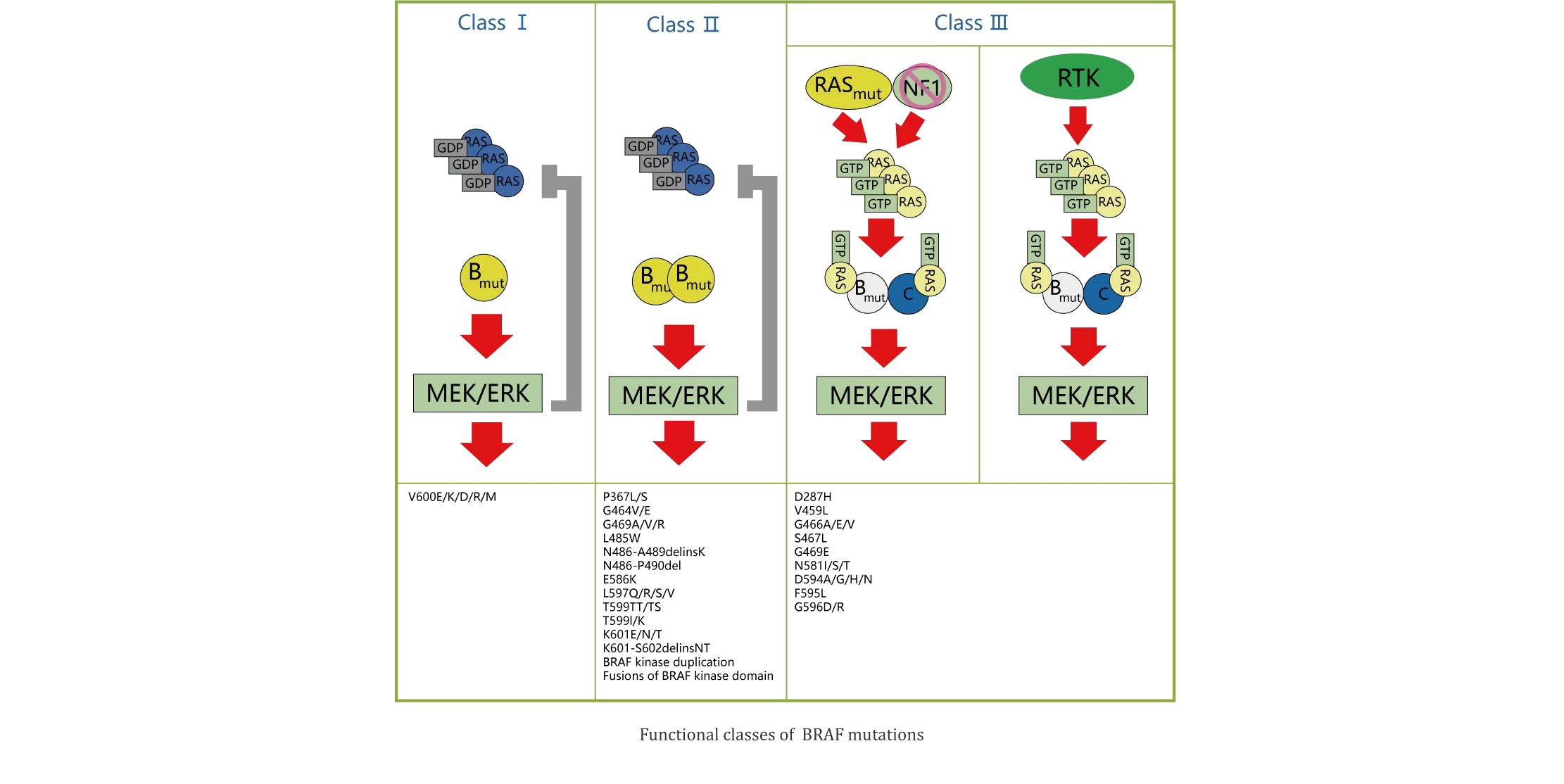
BRAF gene is the second transmitter in the EGFR signaling pathway. When BRAF gene mutations occurs, the signal pathway will be permanently auto-activated, resulting in excessive cell proliferation and differentiation, thus, which may lead to EGFR-TKI ineffectiveness.
The types of BRAF gene variations include point mutations, fusions, amplifications, etc., with the V600 mutation being the most common among point mutations. BRAF V600 mutations occur in various tumors, and are more frequently observed in cancer types such as melanoma, thyroid cancer, colorectal cancer, and lung cancer. Currently, BRAF-targeted therapies have been approved for multiple cancer types, including melanoma, lung cancer, colorectal cancer, and others.
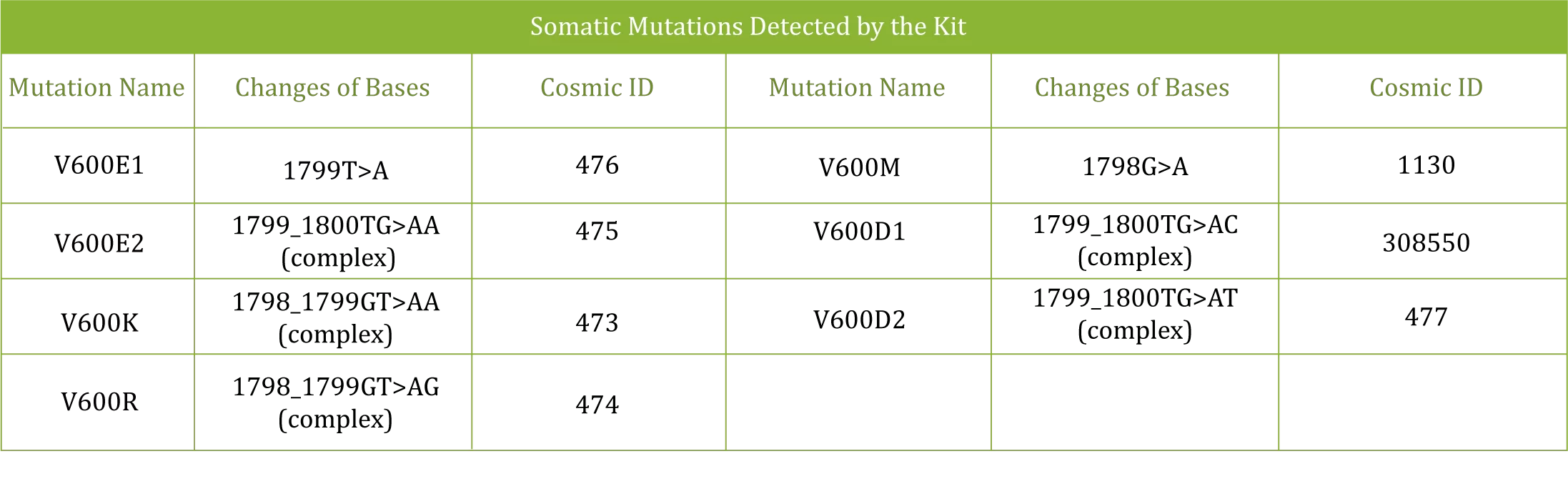
1、BRAF V600 mutation makes response to anti-EGFR or anti-HER2 therapies highly unlikely.
2、Select patients for treatment with BRAF/MEK inhibitors based on the presence of BRAF V600.
3、When MLH1 expression is absent, the presence of BRAF V600E is consistent with sporadic cancer.
4、Molecular diagnostics may be useful to reclassify follicular lesions. BRAF V600E suggests papillary thyroid carcinoma.

Accuracy and Reliability
Use pre-load PCR tube to effectively avoid cross-contamination

High Sensitivity
This kit allows the detection of 1% of specific V600 gene mutations in 10 ng DNA samples
Ease of Use
Based on technology PAP-ARMS®, one step detection in 90 mins
Great versatility
Validated on the most common qPCR machines with stable results
1、Nucleic Acid Extraction
2、Set up qPCR
3、Amplification
4、Data Analysis









 闽公网安备35021202000745