

 EN
EN


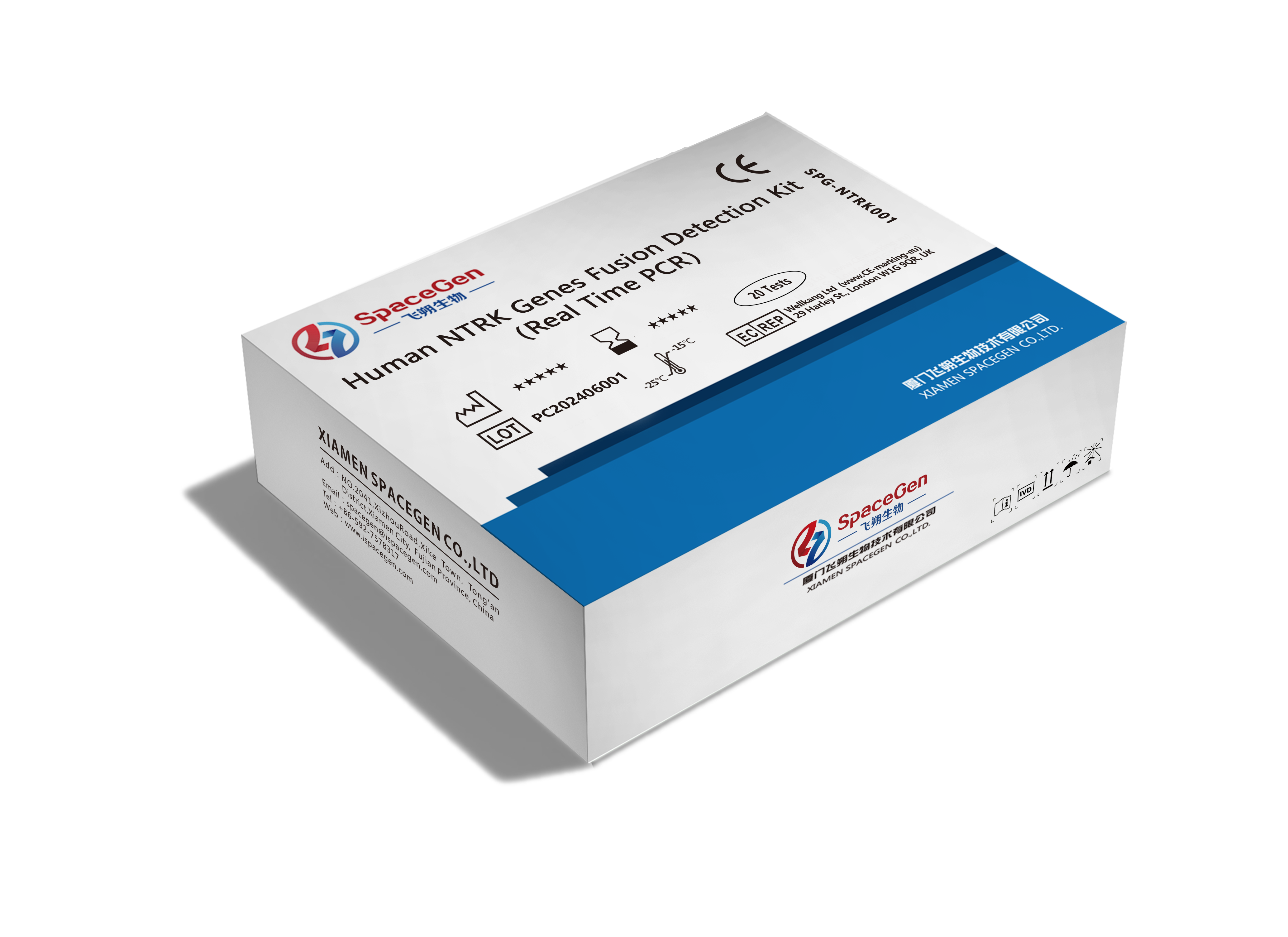

The NeuroTrophin Receptor Kinase (NTRK) family includes three proteins, TRKA, TRKB, and TRKC, encoded by the NTRK1, NTRK2, and NTRK3 genes, these proteins are normally expressed in neural tissues. Activation of TRK structures by NTRK gene fusions is considered as a pan-cancer oncogenic factor.
NTRK gene fusions are found in a variety of adult and pediatric solid tumors. In extremely rare tumor types such as infantile fibrosarcoma and secretory carcinoma, the frequency of NTRK fusion is more than 90%; in common cancers, the fusion frequency is between 0.1% and 2% [1].
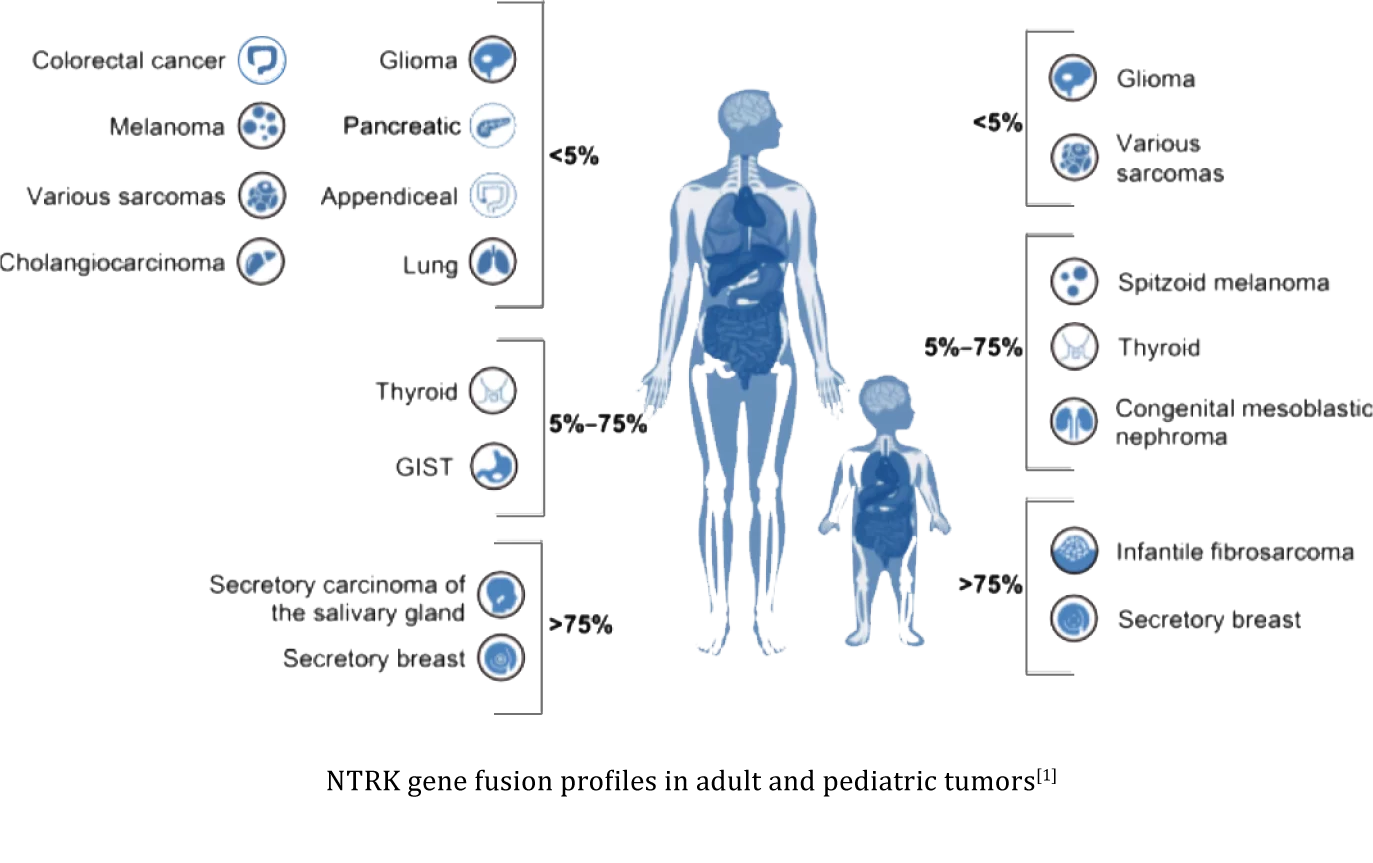
Although in common cancers, NTRK fusion frequency is low ; however, in patients with fusion, the efficacy of NTRK inhibitors is very obvious. In 2019, 2020 and 2024, the FDA approved Larotrectinib, Entrectinib and Repotrectinib for the treatment of NTRK fusion-positive patients with advanced solid tumors without replacement therapy or progression. In 2023, the FDA expanded the indications of Entrectinib for use in pediatric patients.
Based on the above approval, the National Comprehensive Cancer Network has included NTRK inhibitors in several clinical diagnosis and treatment guidelines. The Chinese Society of Clinical Oncology (CSCO) guidelines for the diagnosis and treatment of non-small cell lung cancer (NSCLC) have also included NTRK inhibitors in the first-line treatment of stage IV NTRK fusion-positive NSCLC [3]. The detection of NTRK fusions is also recommended in guidelines such as CSCO colorectal cancer [4].
[1] J Mol Diagn. 2019 Jul;21(4):553-571
[2] FDA official website data
[3] CSCO NSCLC Diagnosis and Treatment Guidelines 2026
[4] CSCO Colorectal Cancer Diagnosis and Treatment Guidelines 2026
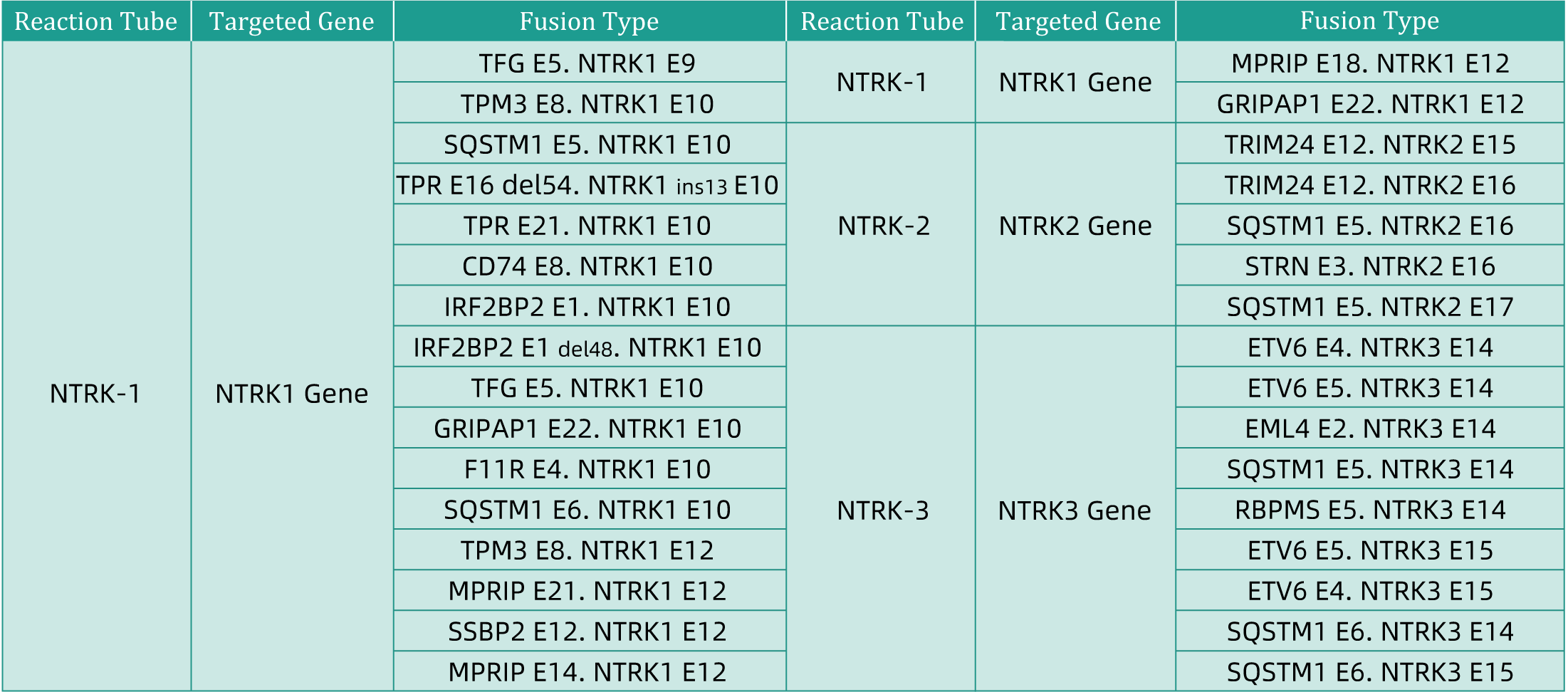
Before systemic treatment in patients with advanced or metastatic solid tumors, NTRK gene fusion detection is performed for molecular typing to help guide treatments.

Accuracy and Reliability
Use pre-load PCR tube to effectively avoid cross-contamination
High Sensitivity
Sensitivity can reach as low as 100 copies in RNA
Comprehensive Coverage
Covers the 32 most common variants of the NTRK
Great versatility
Validated on the most common qPCR machines with stable results
1、Nucleic Acid Extraction
2、Set up qPCR
3、Amplification
4、Data Analysis



 闽公网安备35021202000745