

 EN
EN



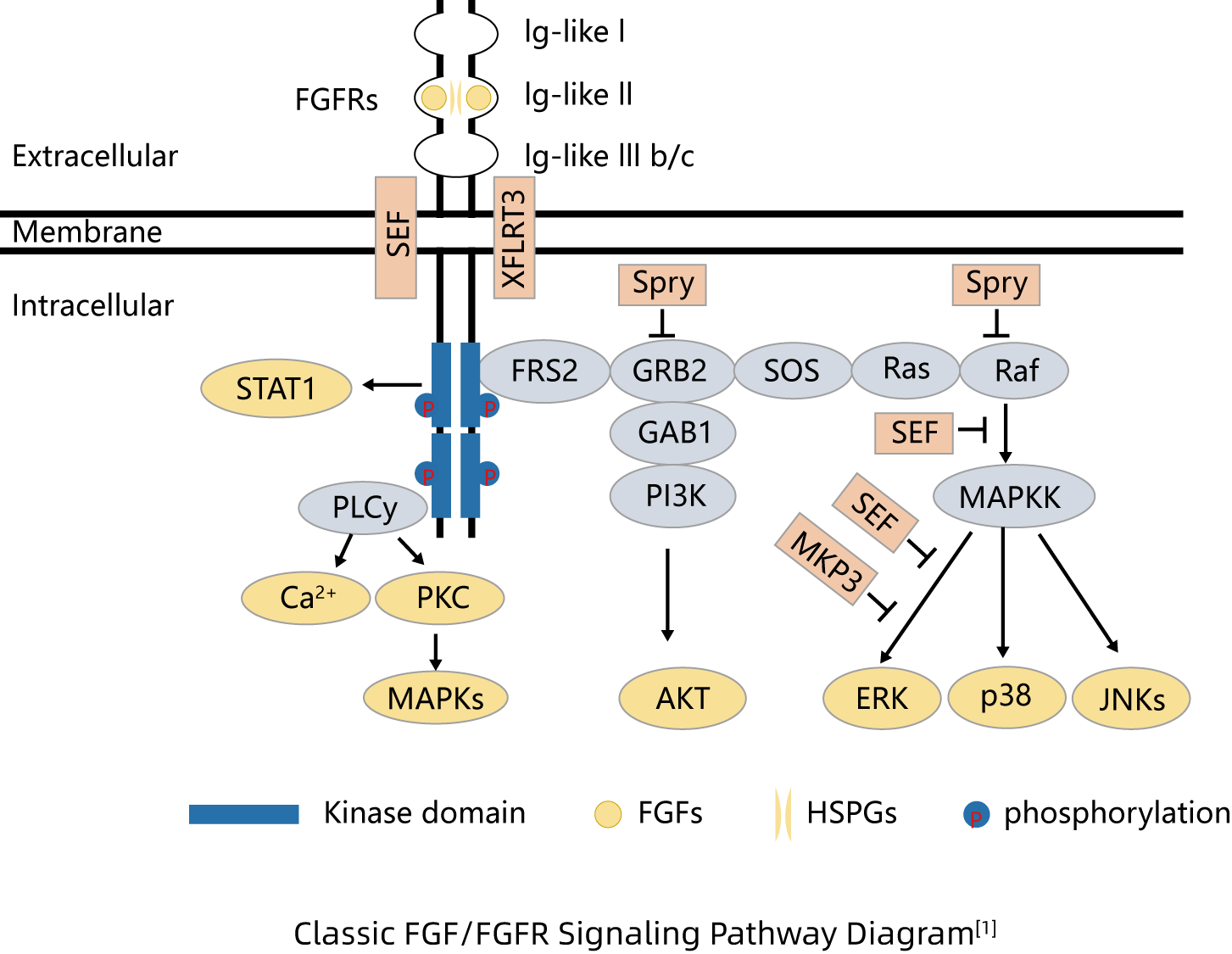
FGFR, full name Fibroblast Growth Factor Receptor, includes multiple subtypes such as FGFR1, FGFR2 and FGFR3. It is a component of the tyrosine kinase signaling pathway governing cell proliferation and differentiation, and plays vital roles in diverse physiological processes including embryogenesis, wound healing and angiogenesis[1].
Aberrant activation of FGFR proteins has been detected in multiple malignant tumors, with genomic alterations manifested as FGFR gene fusions triggered by chromosomal rearrangement.
FGFR2 fusion is a critical oncogenic driver of intrahepatic cholangiocarcinoma (ICC). Approximately 9%–15% of ICC patients carry FGFR2 fusions[2], and FGFR2 is the most extensively investigated therapeutic target among FGFR family alterations.
Multiple FGFR inhibitors are currently under clinical trials or regulatory review. Pemigatinib and Futibatinib have been approved by the FDA for locally advanced or metastatic cholangiocarcinoma patients with FGFR2 fusion/rearrangement who received prior systemic therapy. Therefore, detection of FGFR gene fusions to guide targeted therapy can significantly improve the survival outcome of cholangiocarcinoma patients.
[1] Signal Transduct Target Ther. 2020 Sep 2;5(1):181.
[2] NCCN Clinical Practice Guidelines in Biliary Tract Cancers, 2026 v1
Testing FGFR gene fusions in cholangiocarcinoma patients enables personalized matching of targeted therapeutic agents based on molecular profiles, improves the specificity and efficacy of treatment, and realizes individualized precision therapy.

Simple Operation
Based on the independent patent technology RingCap®, requiring only two steps for library construction
Ultra-high Sensitivity
Capable of identifying gene fusions at concentrations as low as 40 copies/μL in RNA specimens
Comprehensive Detection Coverage
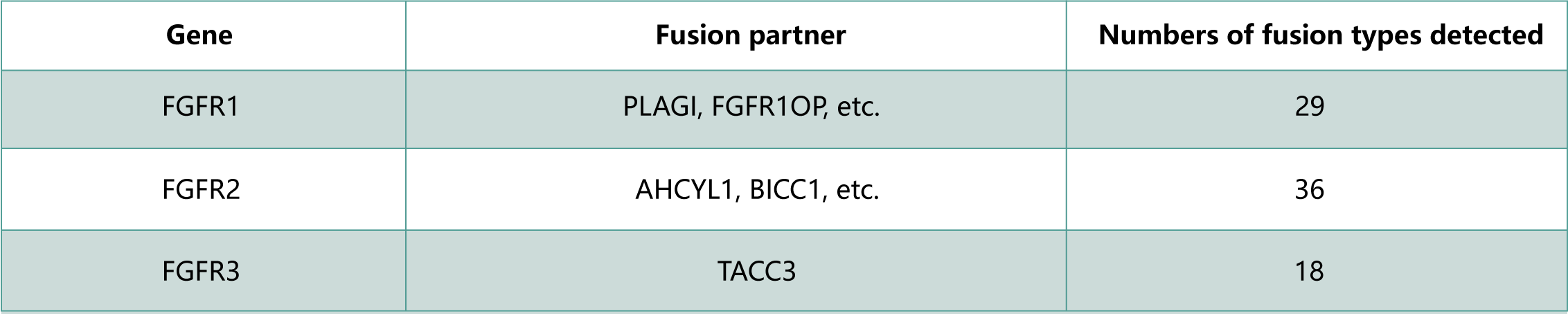
Covers 83 common fusion variants of FGFR1, FGFR2 and FGFR3
Rigorous & Professional Interpretation
Stringent and comprehensive quality control standards; automated bioinformatic analysis plus double manual review by professional teams to guarantee accurate and comprehensive variant interpretation
1.Nucleic Acid Extraction
2.Library Preparation (3.5 hours total time)
3.Sequencing
4.Auto-data Analysis
5.Report




 闽公网安备35021202000745