

 EN
EN



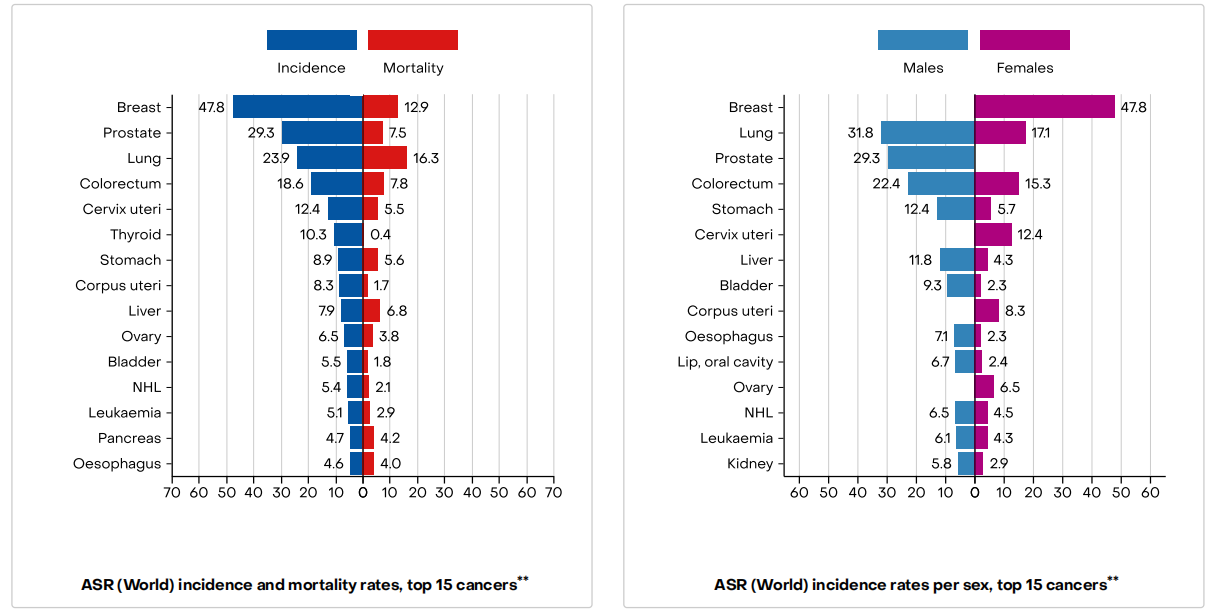
Latest data forecasts 20.6 million new cancer cases and 9.8 million cancer deaths globally in 2024. One in five people will develop cancer over their lifetime, with 1 in 9 men and 1 in 13 women dying from cancer. New cancer cases are expected to reach 34.4 million by 2050[1].
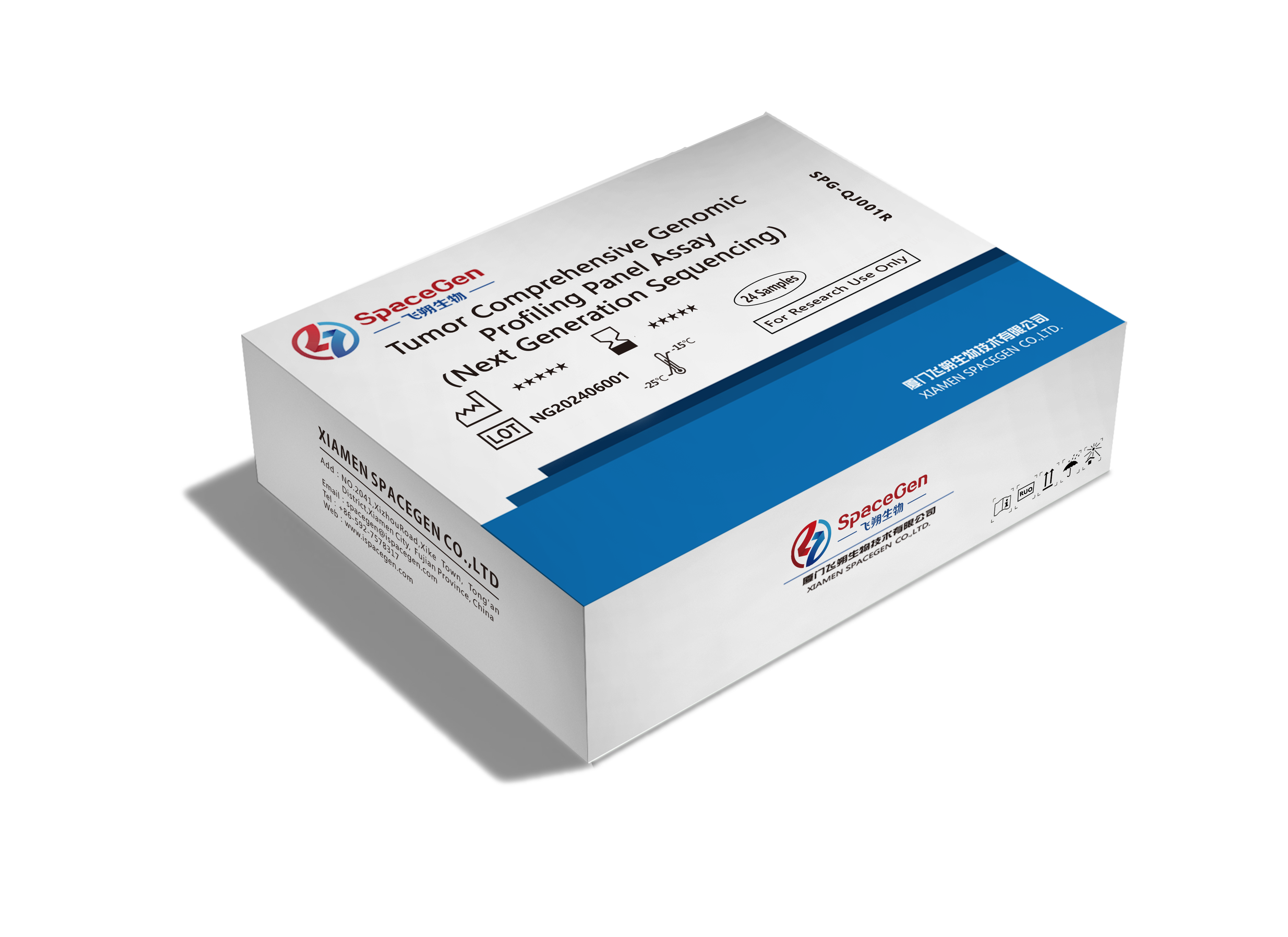
Due to tumor heterogeneity, patients vary greatly in disease progression, treatment sensitivity and prognosis. Exploring tumor molecular features and their links to clinical phenotypes, treatment response and outcomes drives the transition from morphological classification to molecular subtyping. It enables tumor-agnostic therapy and personalized treatment, supporting precise diagnosis, prognostic evaluation, treatment guidance, recurrence surveillance and drug research to maximize patient benefits.

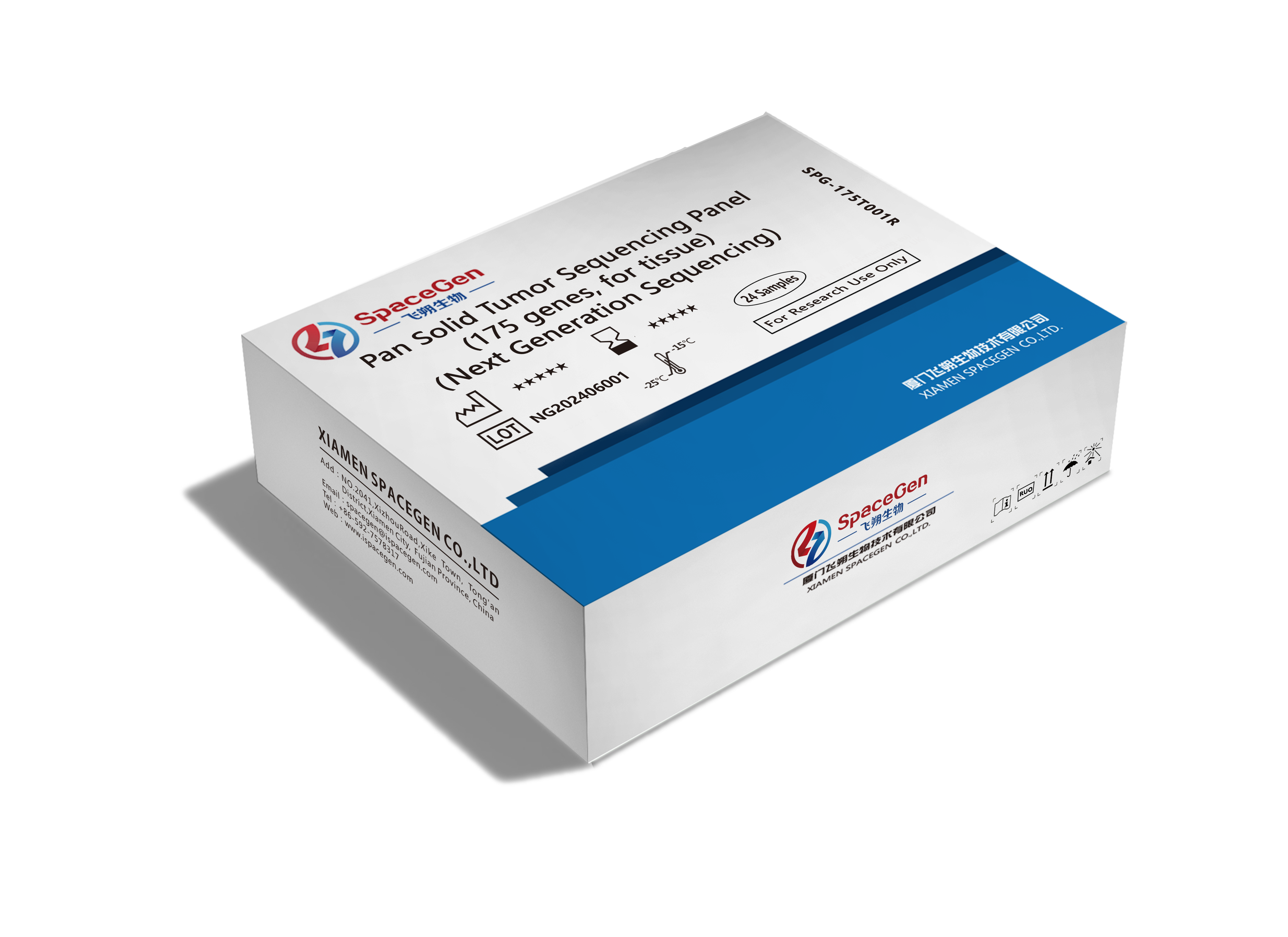
Targeted Therapy: Delivers comprehensive tumor variant data including oncogenic pathway genes and rare loci. It interprets tumor pathogenesis, uncovers resistance mechanisms and guides rational targeted medication.
Immunotherapy: Incorporates genes linked to immunotherapy response and hyperprogression, MSI status, POLE/POLD1 mutations for integrated assessment of immunotherapy benefits.
Chemotherapy: 26 chemotherapy-related genes support full evaluation of drug efficacy and toxicities to optimize chemotherapy strategies.
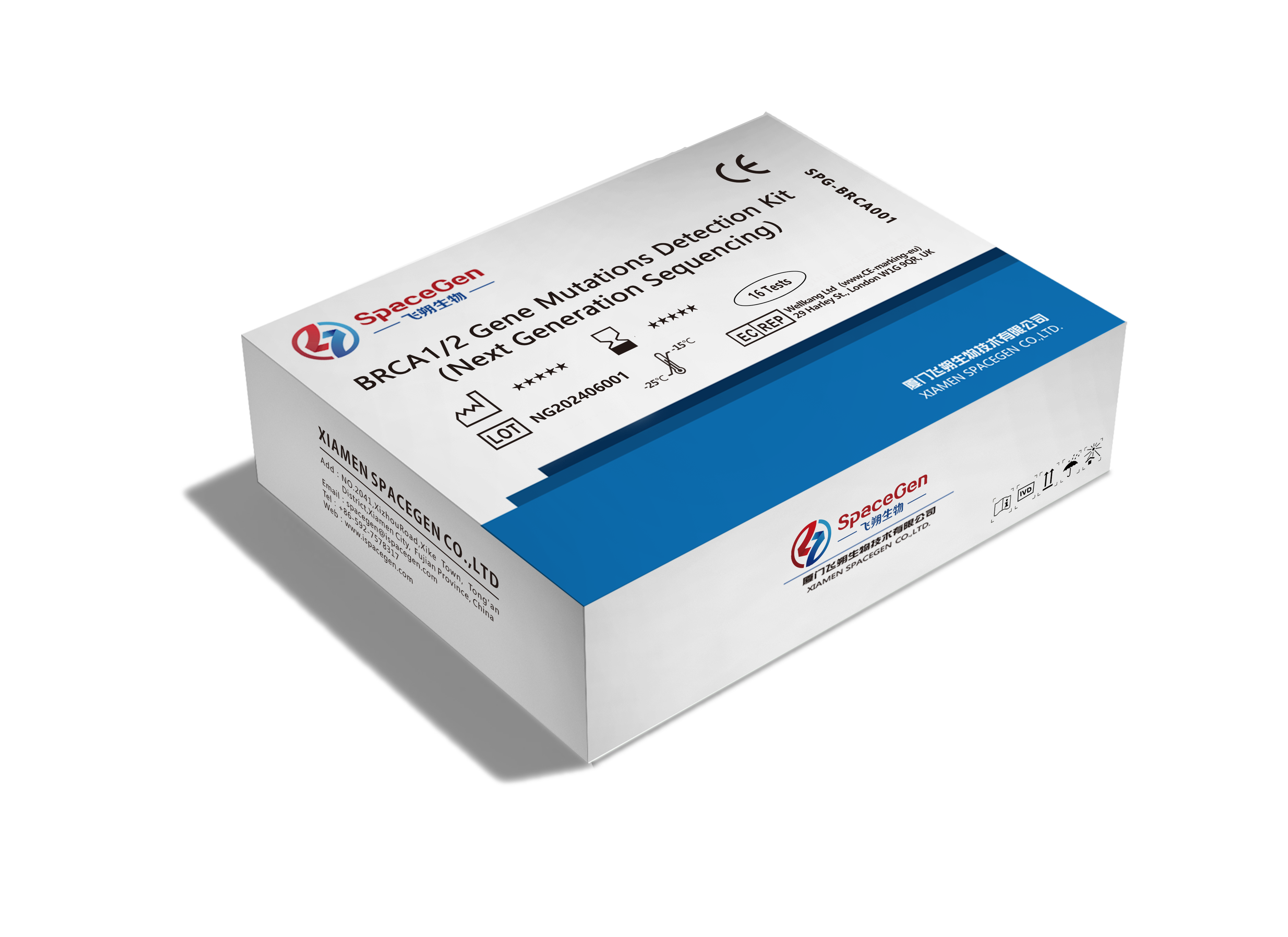
Hereditary Risk: 58 hereditary cancer genes to evaluate risks for 20 hereditary tumor types.
(1) Newly diagnosed solid tumor patients: Pre-treatment testing supports treatment planning and prognostic evaluation before targeted therapy, immunotherapy or chemotherapy.
(2) Solid tumor patients with targeted therapy resistance or chemotherapy failure: Genetic testing reveals resistance mechanisms and finds new actionable variants for alternative therapies.
(3) Persons with family history of tumors needing hereditary risk assessment.
(4) Solid tumor patients with clinical demands mentioned above who cannot obtain pathological tissue.

Comprehensive Coverage
Covers clinically significant genes involved in solid tumor care to fully meet clinical testing demands
High Sensitivity
Probe capture combined with NGS and deep sequencing effectively reduces the risk of missed variants

Quality Assurance
Rigorous QC criteria applied across nucleic acid extraction, library preparation and raw data output
Cross-platform Compatibility
Compatible with Illumina, MGI, Sikun and other sequencing platforms, enabling flexible deployment for diverse laboratory settings
1.Nucleic Acid Extraction
2.Library Preparation
3.Sequencing
4.One-stop Data Analysis
5.Report Generation




 闽公网安备35021202000745