

 EN
EN


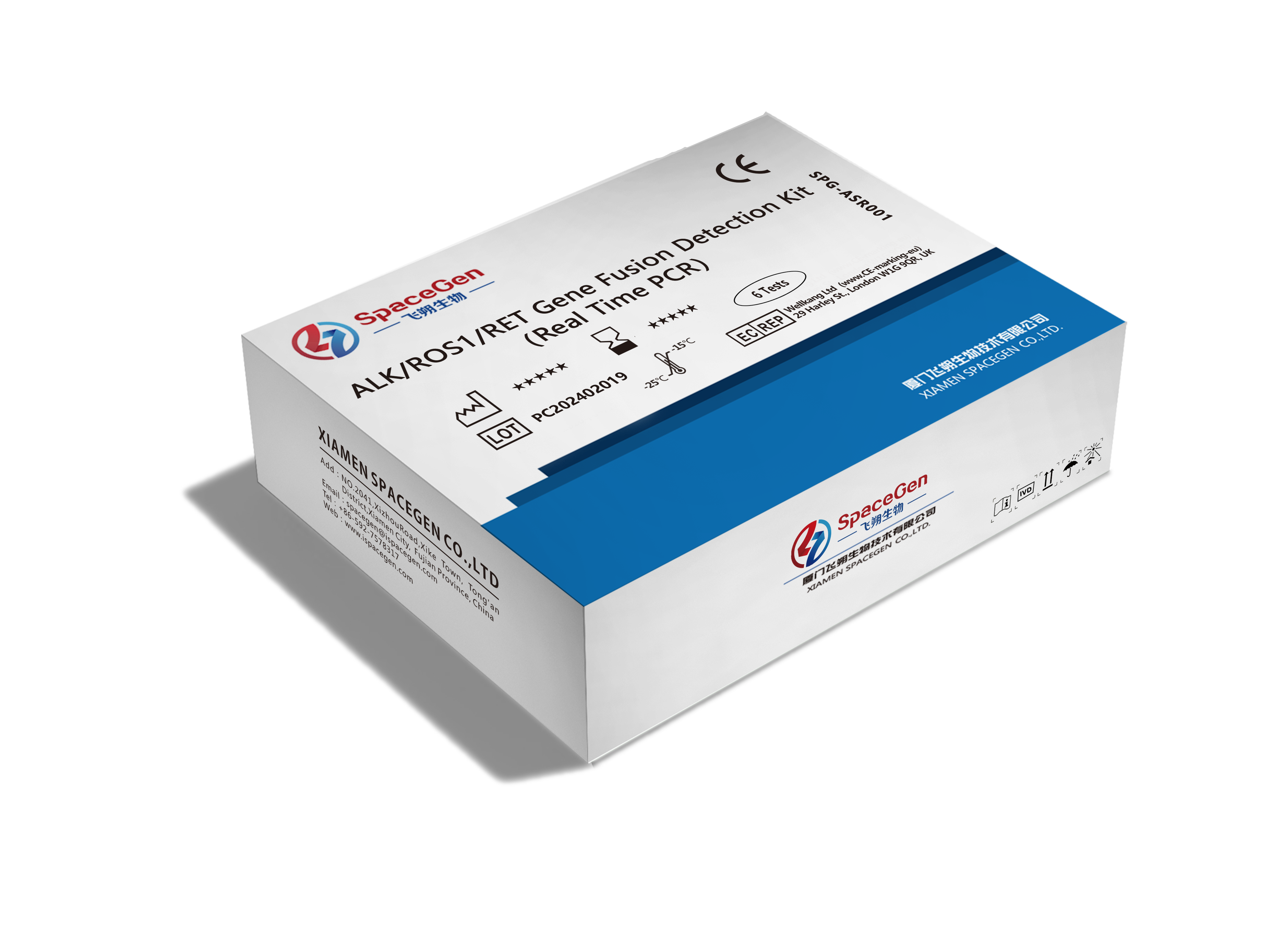

Gene fusion refers to a new hybrid gene formed by connecting parts or all of two different genes' sequences. The encoded fusion protein produced by this gene fusion can mediate the occurrence and development of tumors. In non-small cell lung cancer (NSCLC), gene fusions, as an important class of molecular mutations, serve as ideal targets for targeted therapy. Therefore, precise detection of gene fusions in NSCLC is crucial for selecting patients who can benefit from corresponding targeted treatments.
There are 8%-12% NSCLC patients have gene fusion mutation. Currently, various tyrosine kinase inhibitors (TKIs) targeting different gene fusions have been approved for clinical treatment. Advanced NSCLC patients with gene fusion-positive can significantly benefit from corresponding targeted therapies. Additionally, multiple studies have shown that receptor tyrosine kinase fusions are one of the mechanisms for acquired resistance in NSCLC patients receiving specific targeted drug treatments. As a result, the NCCN guidelines for lung cancer diagnosis and treatment list anaplastic lymphoma kinase (ALK), c-ros oncogene 1 (ROS1), and rearranged during transfection (RET) as genes that must be tested.
MAJOR FUSION GENES AND APPROVED DRUGS IN NON-SMALL CELL LUNG CANCER

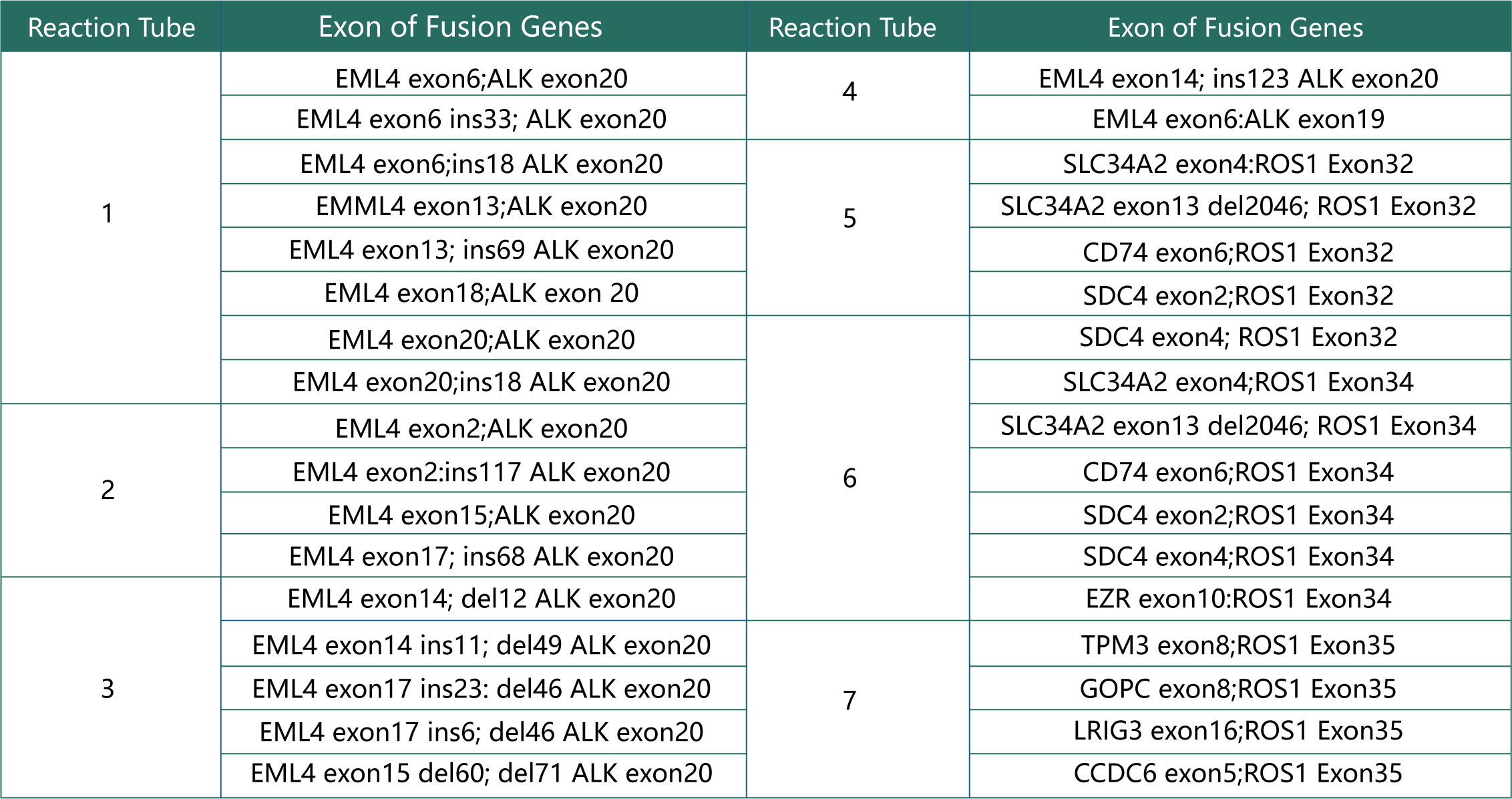
Before first-line treatment of inoperable stage III and IV NSCLC patients, common gene detection of lung cancer should be performed, and treatment is recommended to be guided based on molecular classification.

Stable and Reliable
It detects with closed tubes to avoid contamination
Hight Sensitivity
It detects fusion mutations as low as 100 copies in RNA samples
Comprehensive Coverage
It detects the most common fusion forms of ALK, ROS1 and RET
Fast Results
It takes 1 working day for the hospital / laboratory to complete the detection process
1、Nucleic Acid Extraction
2、Set up qPCR
3、Amplification
4、Data Analysis



 闽公网安备35021202000745