

 EN
EN


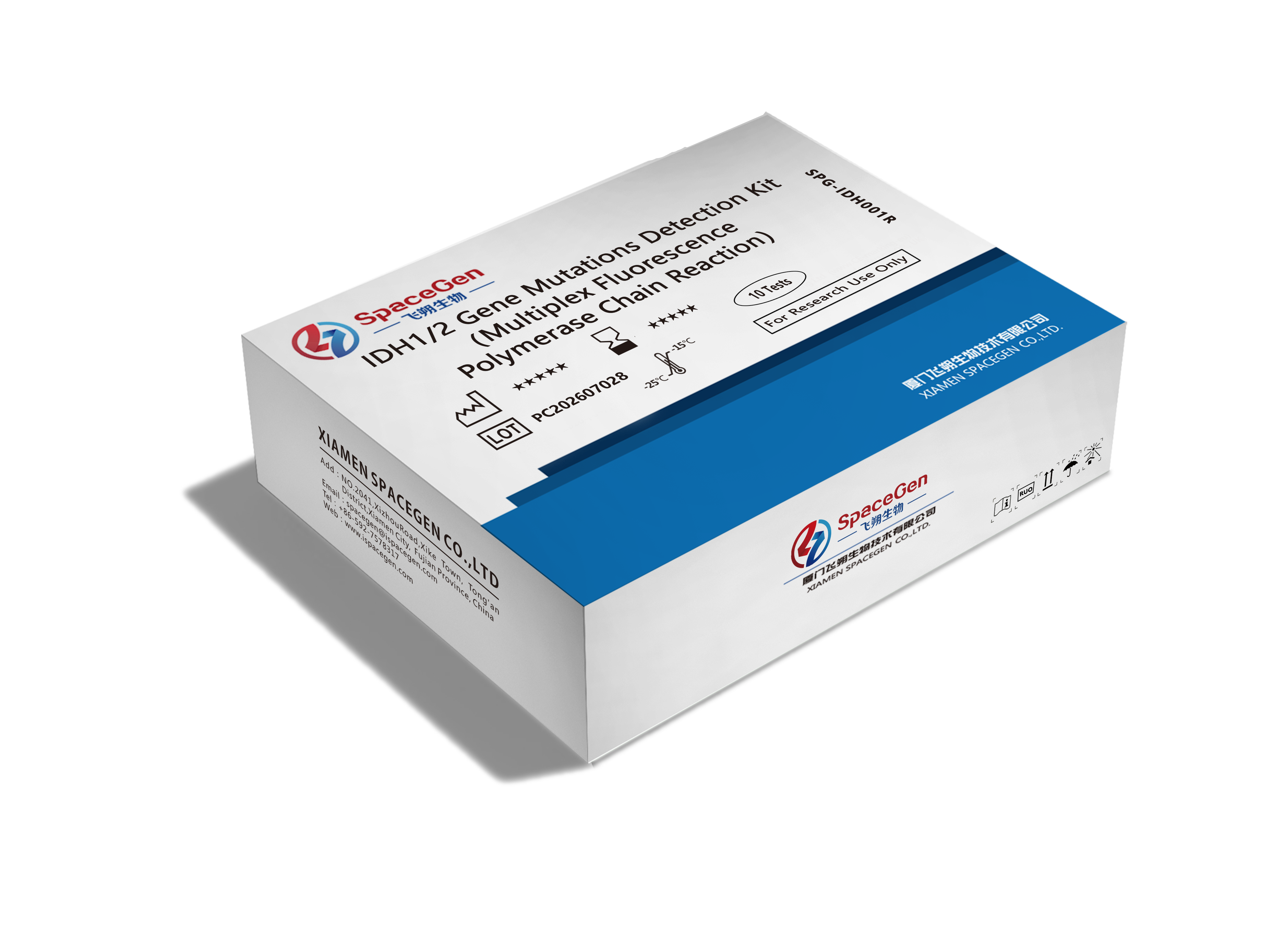

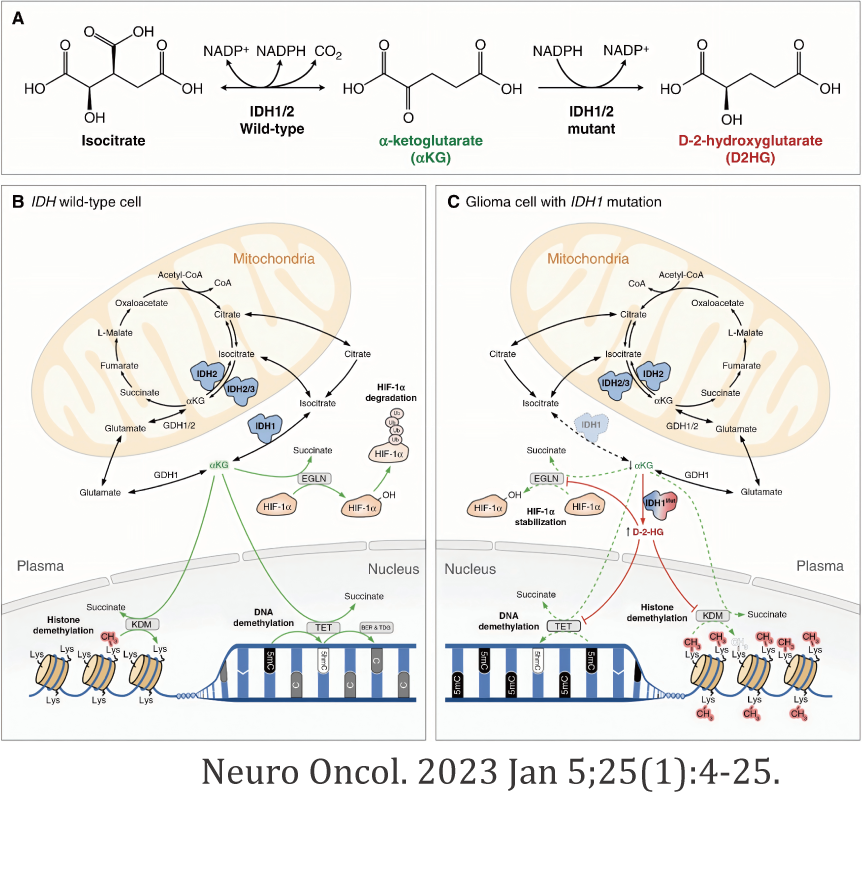
Isocitrate dehydrogenase 1 and 2 (IDH1 and IDH2) are metabolic enzymes that interconvert isocitrate and 2-oxoglutarate (2OG). Gain-of-function mutations in IDH1 and IDH2 occur in many cancers, including acute myeloid leukemia, glioma, cholangiocarcinoma, and chondrosarcoma. These mutations impair the wild-type activity of IDH and cause the enzyme to catalyze a partial reverse reaction in which 2OG is reduced but not carboxylated, thereby producing the (R)-enantiomer of 2-hydroxyglutarate ((R)-2HG). Accumulation of (R)-2HG in IDH-mutant tumors leads to severe dysregulation of cellular metabolism. The best-defined oncogenic effect of (R)-2HG involves the dysregulation of 2OG dependent epigenetic tumor-suppressor enzymes.
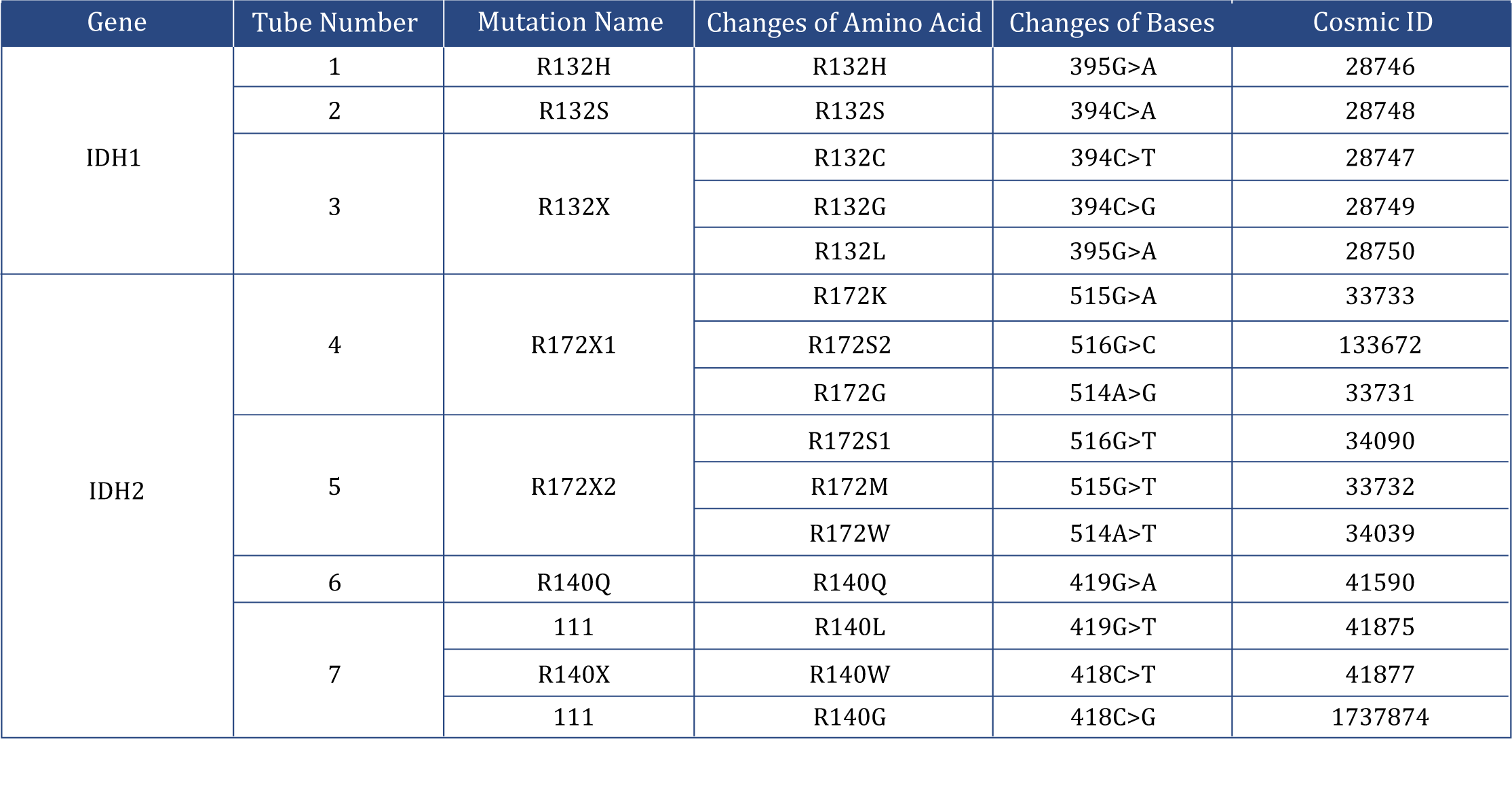
Mutations in IDH1 and IDH2 are among the most clinically relevant genetic alterations in diffuse gliomas.Closely correlated with clinical prognosis,such mutations act as pivotal biomarkers for tumor grading,prognostic stratification and targeted therapeutic strategy formulation.
IDH1/2 mutations are detected in around 20%of patients with acute myeloid leukemia (AML).including ivosidenib and enasidenib have been developed based on these target,This fully demonstrates that comprehensive detection of IDH mutation status is of great significance for precise molecular classification and individualized therapeutic decision-making.
This applies to patients with glioma when pathological diagnosis remains uncertain, when guidance on targeted therapy is required, and to patients with acute myeloid leukemia.

Accurate and reliable
Closed tube detection without product post-processing
Simple operation
Only one step, 90 minutes to complete the test
Good repeatability
The ordinary PCR laboratory can be carried out, and no special training is required to obtain good repeatability results
Advanced technology
Developed based on proprietary PAP-ARMS® technology
1.Nucleic acid extraction
2.Set up qPCR
3.Amplification
4.Data analysis
5.Report generation



 闽公网安备35021202000745