

 EN
EN


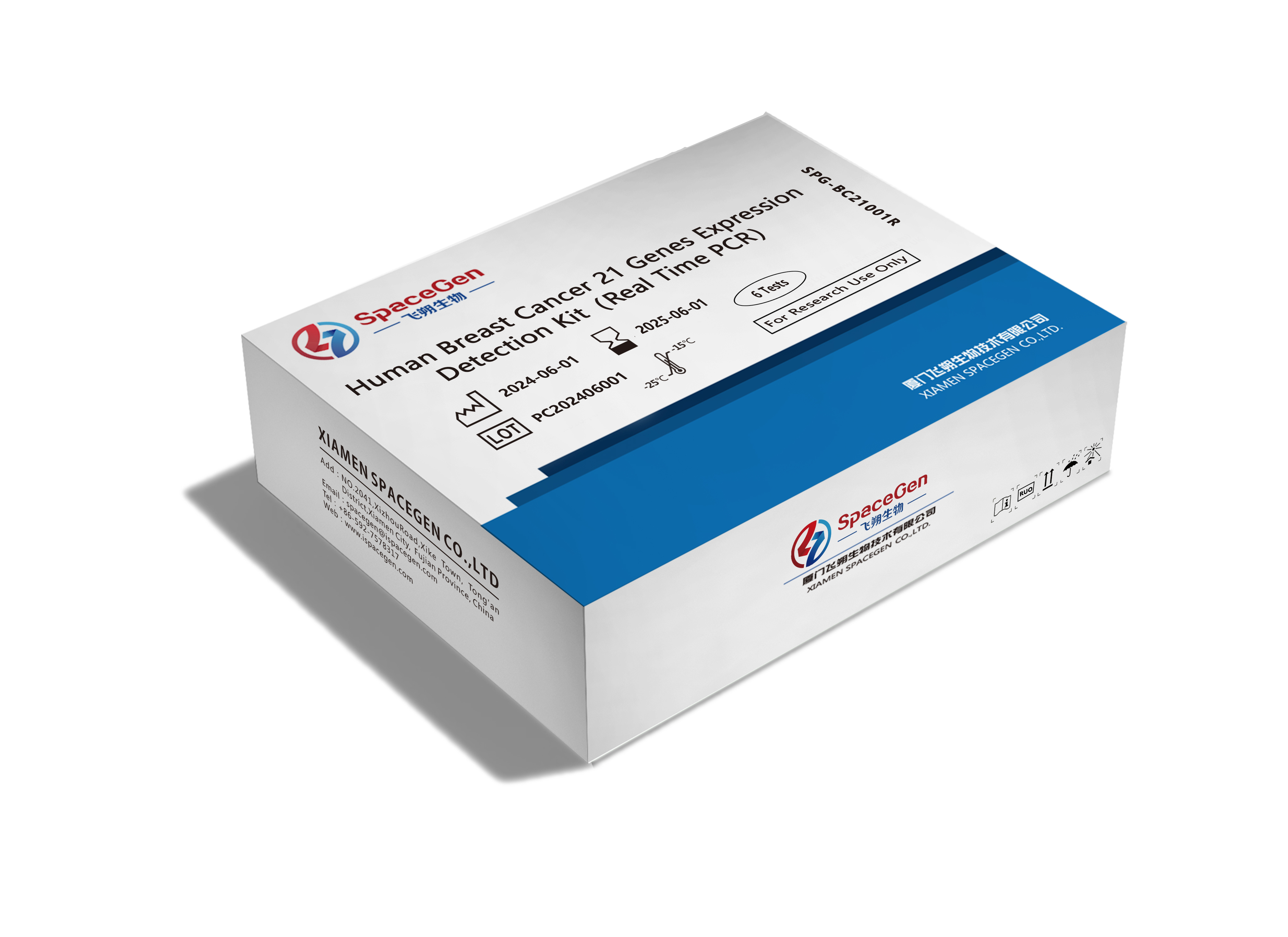

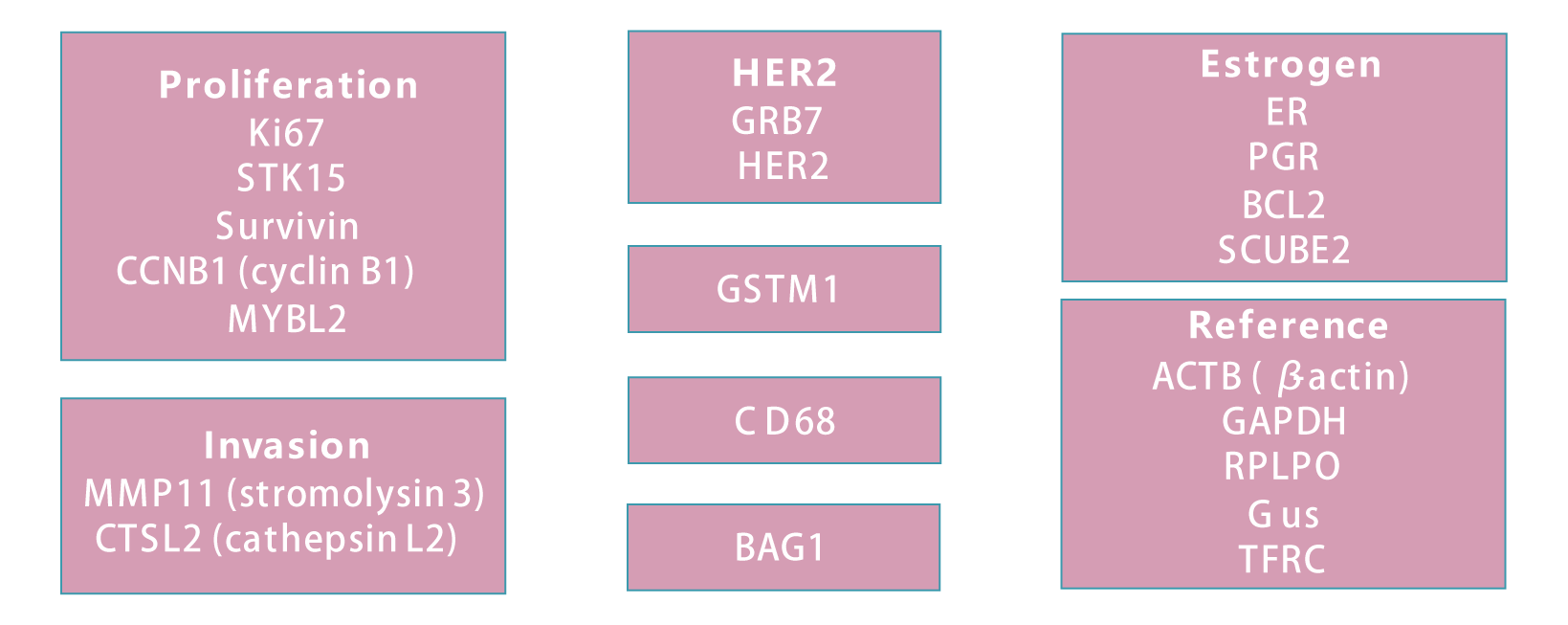
Breast cancer is the most common tumor in women and one of the leading causes of cancer death in women. Breast cancer 21 gene detection is a quantitative detection of the mRNA expression of 21 breast cancer-related genes. The gene expression is converted into a recurrence score ( RS ) by a specific algorithm. The results can provide information for prognosis, recurrence, and treatment guidance.
The NCCN Guidelines provide a Level 1 recommendation for the 21-gene test to assess the risk of recurrence and guide adjuvant chemotherapy in patients with HR+/HER2-/N0–1 early-stage breast cancer; the ASCO and CSCO breast cancer guidelines also strongly recommend this test.
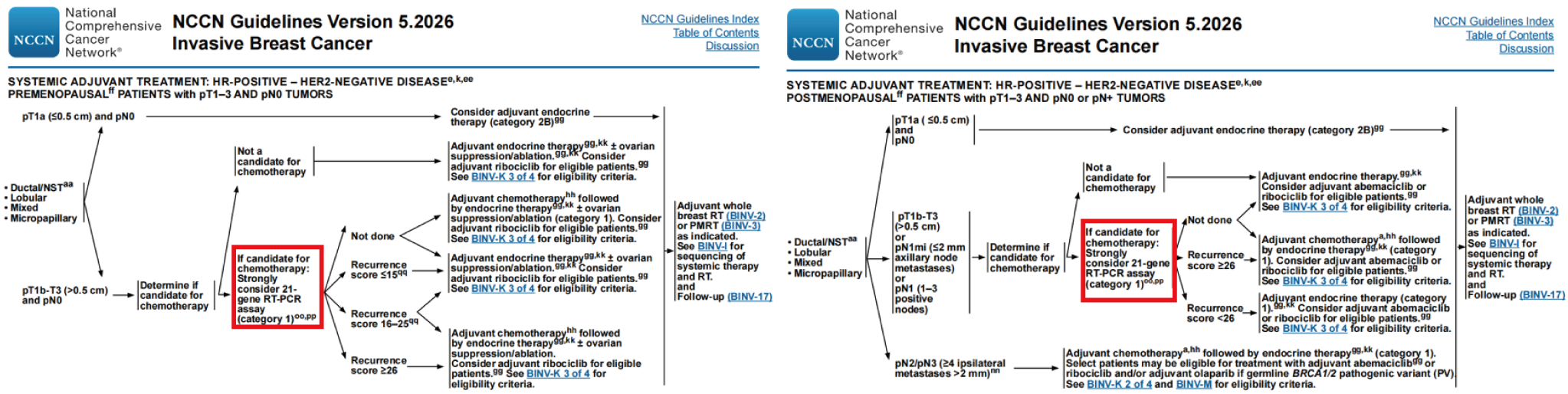
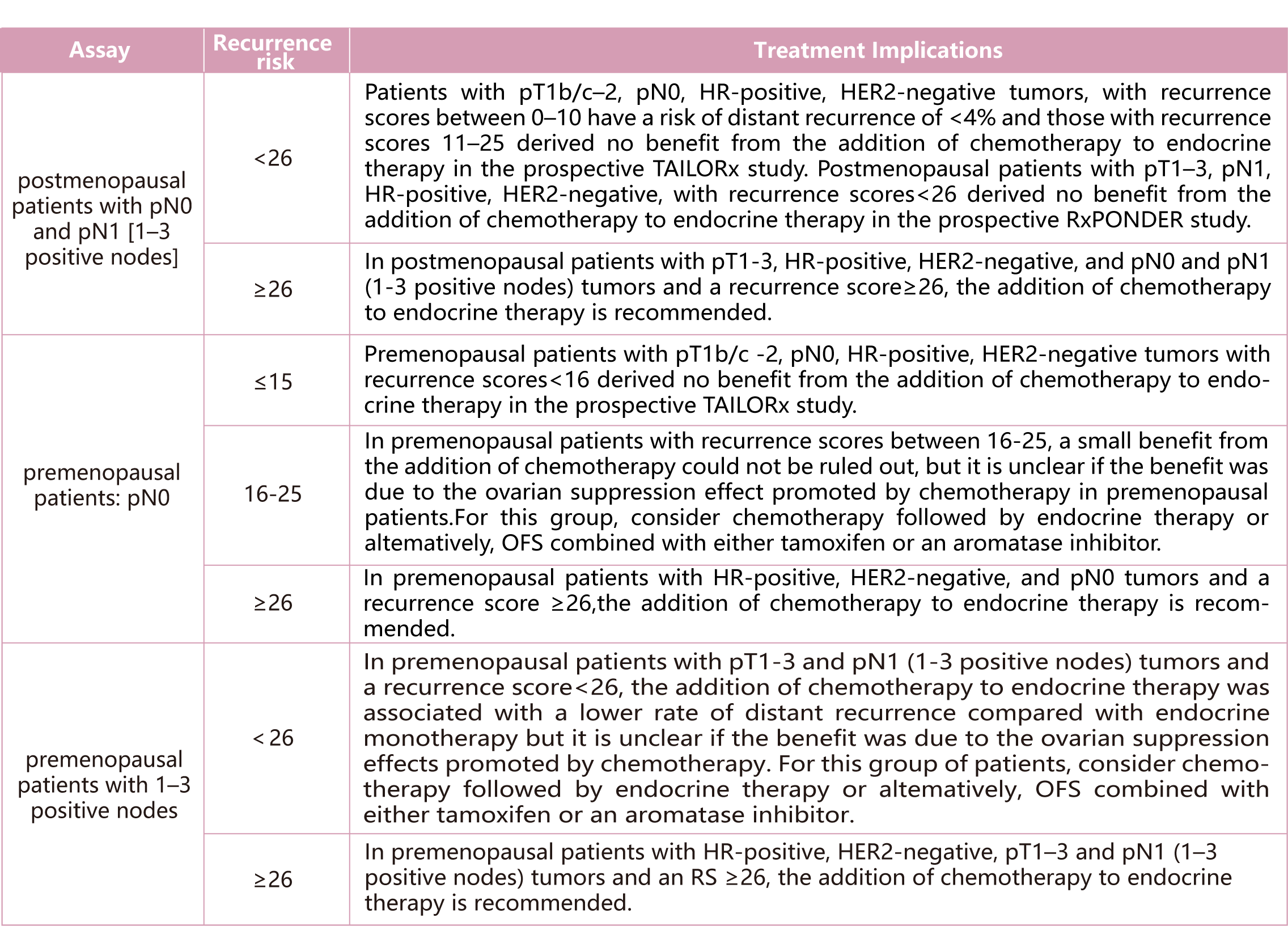
HR + / HER2-/ N0~1 early breast cancer patients
1. Assess the risk of postoperative recurrence
A recurrence risk score (RS, ranging from 1 to 100) is calculated based on the expression levels of 21 genes associated with breast cancer, and patients are classified into three risk categories: low (RS < 18), moderate (18 ≤ RS < 31) and high (RS ≥ 31).
2. Predicting chemotherapy benefits and guiding treatment

Preferred Recommendation
NCCN guidelines preferred gene expression assay, which can predict the efficacy of chemotherapy and evaluate prognosis

Rigorous Data
Through a large number of clinical studies ( retrospective, prospective ) and clinical practice, the test results are more reliable
Interpretation Science
RS values were divided into three groups of high, medium and low risk, and stratified statistics of lymph node status and menopausal status factors were included to evaluate the prognosis of patients and guide adjuvant therapy in more detail
Fast Detection
The use of eight pipe pre-packing form, reduce the operation steps, improve the detection efficiency
Stable and Reliable
The use of capping agent anti-pollution system, effectively avoid cross-contamination, improve detection specificity
1.Nucleic acid extraction
2.Set up qPCR
3.Amplification
4.Data analysis
5.Report generation



 闽公网安备35021202000745