

 EN
EN


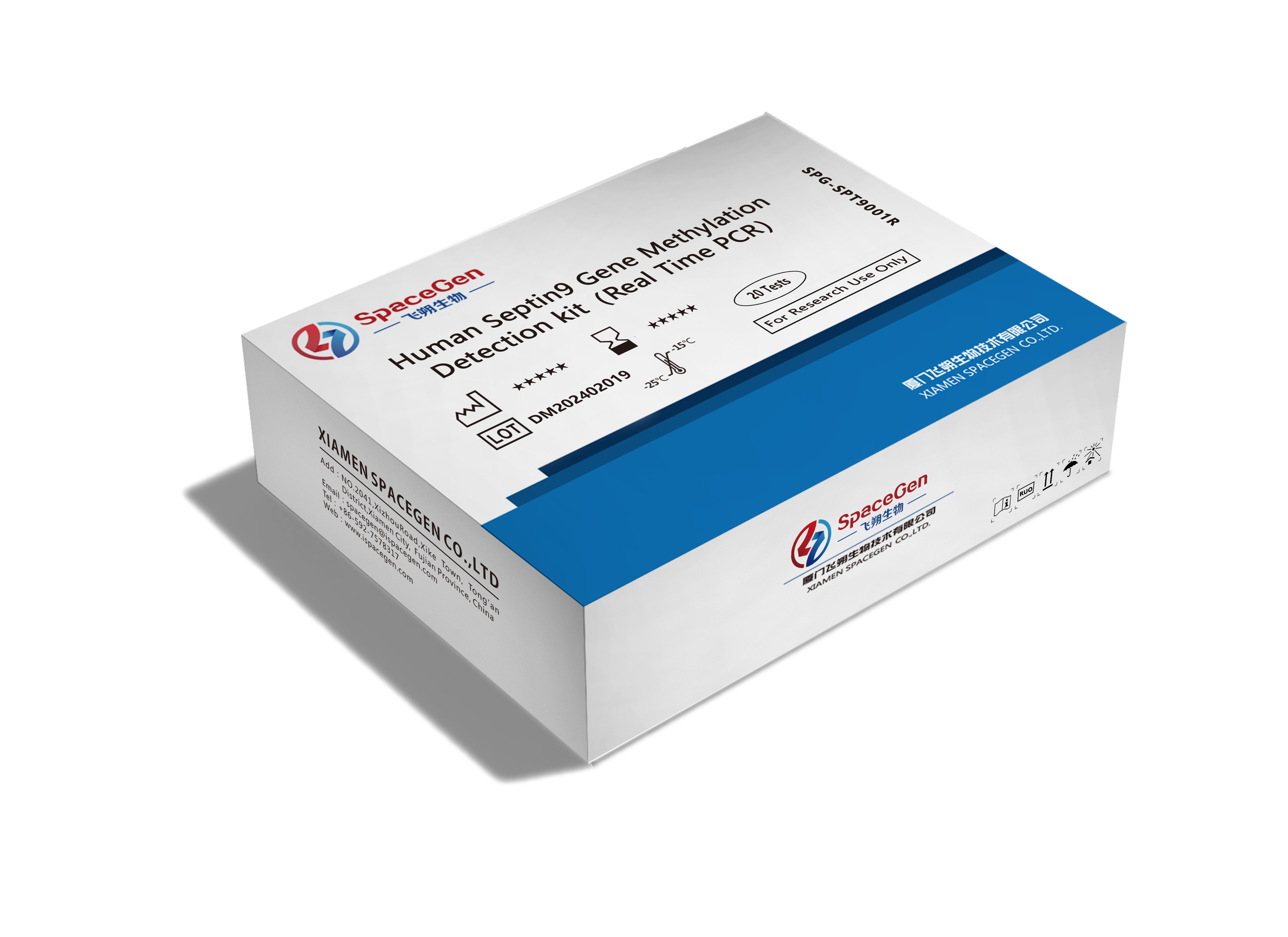

Septin is a family of highly conserved cytoskeletal protein genes in evolution. It has GTPase activity. The Septin9 gene in the family is involved in various physiological activities such as cell division, cell migration and DNA repair.
Patients with colorectal cancer often have a certain degree of methylation in the promoter region of the Septin9 gene; this abnormal methylation will inhibit the tumor suppressor effect of the Septin9 gene, affect the occurrence and development of colorectal cancer.
The sensitivity of Septin9 for screening colorectal cancer was 82.22%, which was significantly higher than that of CEA; the specificity was 89.09%, which was higher than that of FOBT. Septin9 detection has high sensitivity and specificity in various indicators of colorectal detection, and has the advantages of non-invasive, convenient sampling, and stable method. It can be used as an important auxiliary method for clinical diagnosis of colorectal cancer.
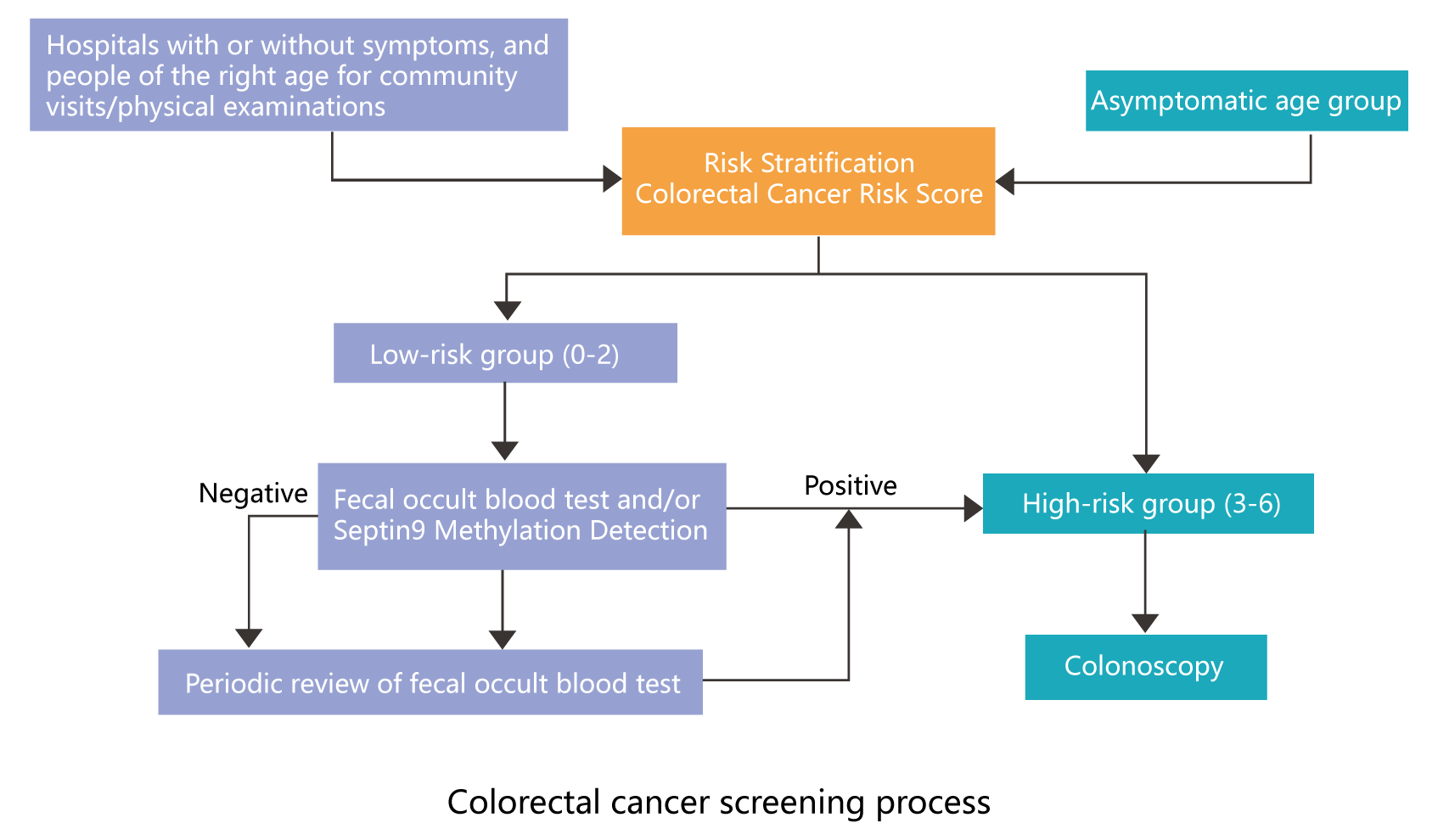
Detection of Septin9 methylation loci in patients with colorectal cancer.
Septin 9 gene methylation detection is a non-invasive CRC early screening, auxiliary diagnosis and efficacy monitoring technology. The detection of Septin 9 gene methylation status in blood ctDNA can assist in the diagnosis and detection of ultra-early colorectal cancer lesions, which can theoretically warn the risk of CRC 3 to 5 years in advance.
1.Healthy people over the age of 40, but have never had a colonoscopy ;
2.High-risk groups who are not willing to undergo colonoscopy, including :
1) People with a family history of colorectal cancer ;
2) population in high-risk areas of colorectal cancer ;
3) People with positive fecal occult blood ;
4) people with changes in bowel habits ;
5) patients with chronic intestinal diseases ( chronic diarrhea, chronic constipation, mucous bloody stool, chronic appendicitis or appendectomy history, chronic cholecystitis or cholecystectomy history ) ;
3.Chronic diseases such as diabetes, cirrhosis, gastric ulcer, enteritis, intestinal polyps, obesity and so on ;
4.Weight loss in the short term ; people with fever of unknown origin, pain, and mass on the body surface ;
5.Eating imbalances, people with high work pressure ;
6.People with bad living habits such as smoking, staying up late and so on ;
7.People after surgical treatment of colorectal cancer ;
8.Colonoscopy taboo crowd, including but not limited to : have serious heart, liver, lung, kidney, blood, endocrine system diseases, etc.

Accuracy and Reliability
Use pre-loaded PCR tube to effectively avoid cross-contamination
Ease of Use
The process is standardized and the experimental procedure is simple
Great Versatility
Validated on the most common qPCR machines with stable results
1、Nucleic Acid Extraction
2、Modification
3、Set up qPCR
4、Amplification
5、Data Analysis



 闽公网安备35021202000745