

 EN
EN


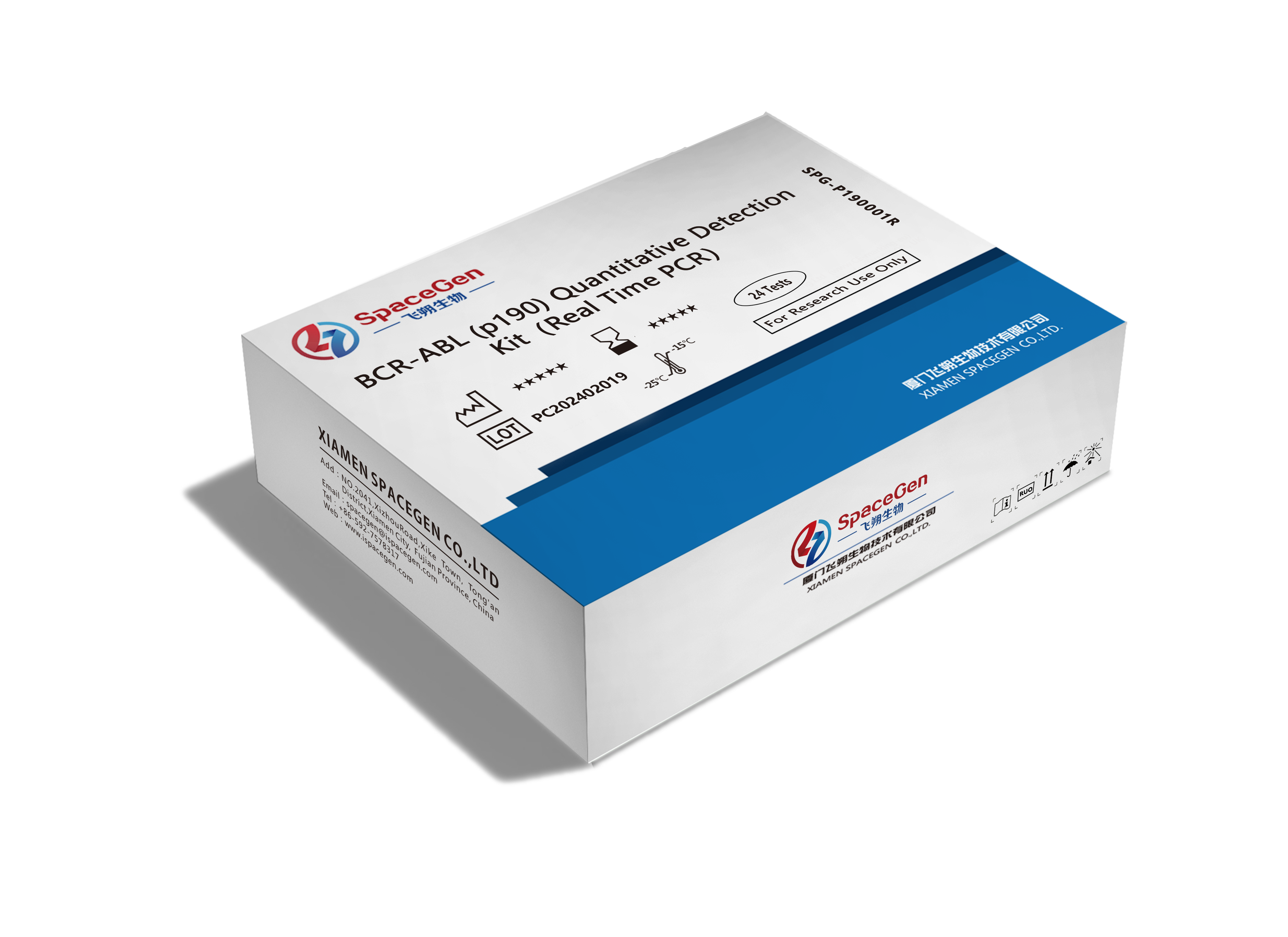

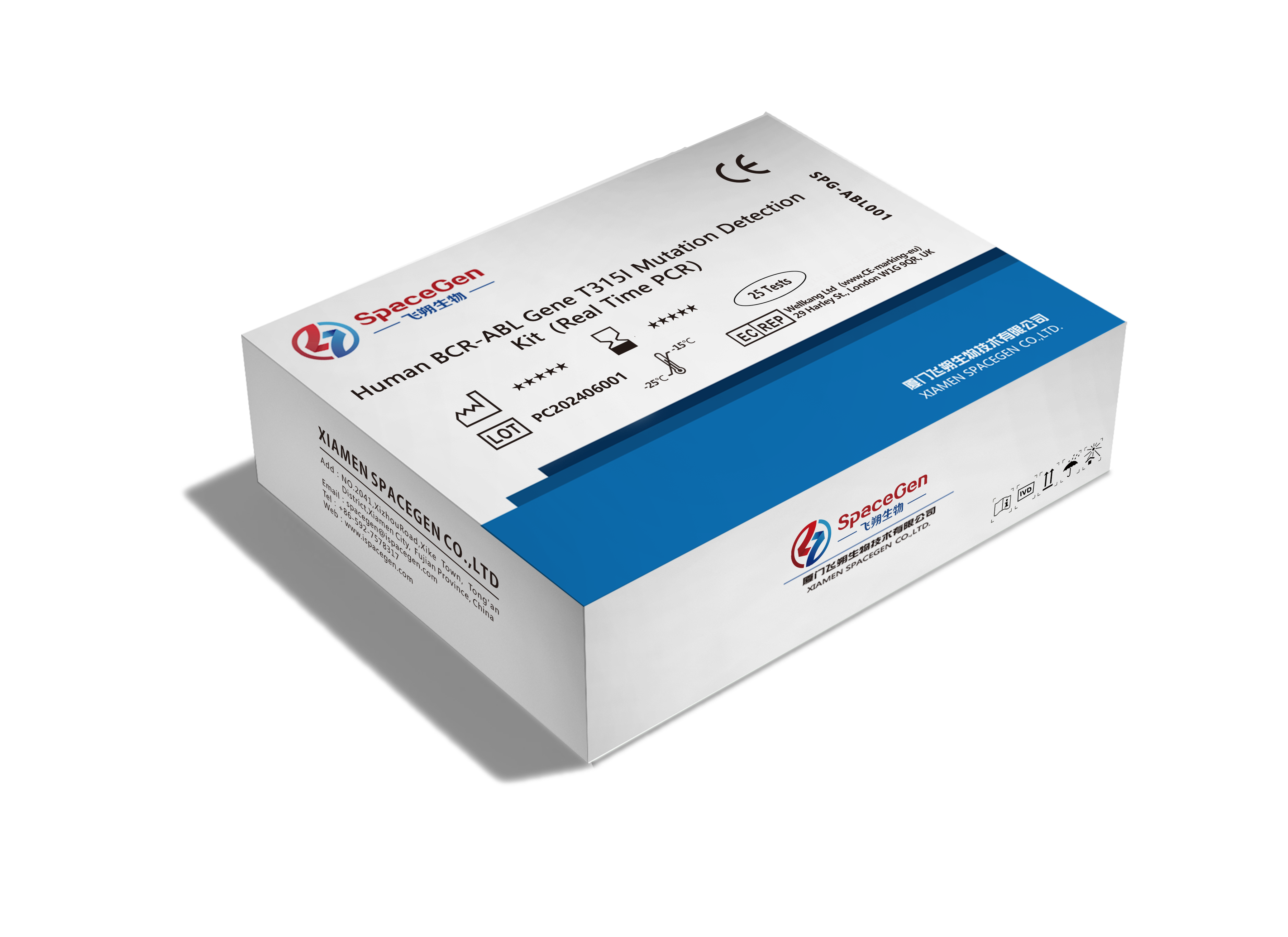
BCR-ABL1 fusion proteins have multiple isoforms. The 210 kDa isoform exists in over 90–95% of CML patients, one-third of ALL patients and 1–2% of AML patients, while the 190 kDa isoform is found in two-thirds of ALL patients and 3% of atypical CML patients. Disease progression often leads to drug resistance related to BCR-ABL1 mutations. Patients with T315I point mutation develop resistance to imatinib and all second-generation TKIs, and detection of this mutation provides a basis for selecting third-generation TKI therapies.
Regular high-quality molecular monitoring minimizes the risk of disease progression and maximizes the likelihood of achieving treatment-free remission (TFR) to optimize therapeutic outcomes.
Early detection of elevated BCR-ABL1 levels or failure to reach predefined remission targets may necessitate mutation analysis. Patients experiencing treatment failure should be switched to more effective TKI treatment.
Sustained deep molecular response (DMR) correlates with successful TFR. Optimizing treatment strategies to maximize the chance of achieving DMR (3 years for MR4.0 patients, 2 years for MR4.5 patients) is an increasingly important therapeutic target for CML.

BCR-ABL (p190/p210) transcript level is an indispensable indicator for evaluating treatment efficacy in leukemia patients receiving tyrosine kinase inhibitor therapy and after hematopoietic stem cell transplantation. For CML and AML patients, meeting corresponding molecular criteria at specific time points enables rational assessment of prognosis and risk of treatment failure, and it is especially suitable for full-cycle efficacy monitoring of CML and AML patients and patients resistant to BCR-ABL1 TKIs.


Stable & Reliable
Closed-tube detection, no post-amplification processing required
Simple Operation
Single-step procedure; testing completed within 90 minutes
Excellent Reproducibility
Low requirements for laboratory environment and instruments, delivering stable and highly reproducible results
Easy Calculation
Algorithm formulas are provided for convenient conversion to International Scale (IS) values and molecular response (MR) logarithmic values
1、Nucleic Acid Extraction
2、Sample Loading
3、Instrument Run
4、Report Generation



 闽公网安备35021202000745